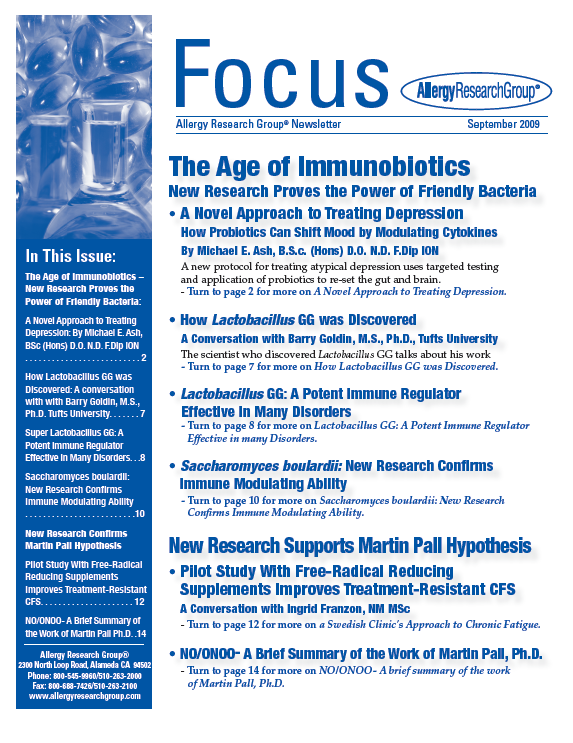
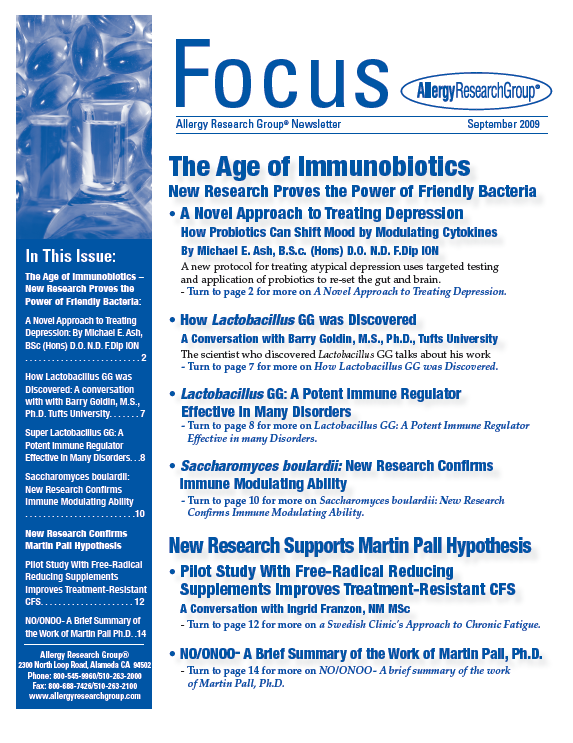
Michael E. Ash, BSc.(Hons) DO. ND. F.Dip ION has written an overview from a clinical perspective of the emerging science related to the mucosal immune system and the health of the brain in relation to affect. Published by the in house journal from Allergy Research Group it provides a strategic approach to managing individuals using a novel probiotic strategy.
From our early days in utero until we die, the ability of the GI tract to renew and replenish itself and maintain a stable relationship with trillions of bacteria is astounding. On a typical day the innate immune system of our gastrointestinal tract will process more immunological information than the rest of our body in its entire lifetime. It’s an absolute immunological miracle we can consume antigenic particles of food and not drop down dead every time we do so.
In fact, the joy of modifying the gut mucosal immune system is that we can at the same time treat urinary, respiratory, inner ear and oral tissue. Gut originating immune molecules migrate out through the lymphatic tissue, circulatory system and influence the vagal nerve to deliver information systemically. Mucosal immunity is the key to gut health, overall immune balance, and even brain function and mood. It’s this last I am reporting on in this article, for gut immunity and neuro-immunity are intimately bound, sharing the same receptors and the same signals. Information that initiates in the gut ends up in the brain and vice versa, providing a comprehensive cross talk between the two sets of tissues.
I have discovered that tweaking the immune system through very careful use of targeted, strain specific probiotics is a novel and effective treatment for atypical depression—the most common subtype of depression and the form most commonly seen in women today. I have arrived at this unusual approach after 26 years of practice as an osteopath, naturopath and clinical nutritionist treating over 10,000 patients. I believe many clinicians today consider probiotics in the same manner that medicine looked at antibiotics back in the 1950’s: with little regard for strain specificity, timing and dose. Here I report on the very specific reasons why probiotics can treat depression, how to stage their successive application, and why timing, dosing, and delivery mechanisms of probiotics are key to their effective use.
The Gut-Brain Dialogue
So how in the world might probiotics—friendly gut organisms—treat depression? In a few words: cytokines, inflammation and immune response. Cytokines are messenger molecules that regulate our inflammatory and immune response. They operate continuously throughout our entire body and profoundly influence neuro-endocrine functioning. Depression has been linked with altered levels of cytokines like IL-1, IL-6 and TNFα, the inflammatory cytokine. Interleukin-1B is linked to dysthymia (low grade, chronic depression).
A good reliable set of bowels is worth more to a man than any quantity of brains.
– Henry Wheeler Shaw, American humorist
The gut-brain link was first seriously suggested by Dr. Julius Wagner-Jauregg, the only psychiatrist to have won a Nobel Prize back in 1927 (for medicine). He wrote; “Biological mediators primarily designed to combat pathogens may affect the course of psychiatric disorders.” Way before cytokines were discovered this clinician described how innate immune cytokines influence virtually every pathophysiological domain relevant to depression including monoamine neurotransmission, tryptophan metabolism, neuroendocrine function, synaptic plasticity and regional brain metabolism.
There is a well defined correlation between the severity of depression and the levels of TNFα. Patients suffering from chronic fatigue syndrome and sleep apnea will show excessive blood levels of TNFα (see NO/ONOO-: A Brief Summary of the Work of Martin Pall, Ph.D.). And when patients with cancer, multiple sclerosis, or hepatitis C are given interferons or interleukins as part of their treatment as many as 40% develop depression.
Animal studies have supported clinical observations in humans. When animals are injected with molecules that stimulate cytokines, they become lethargic, fatigued, and anorexic. This is called “sickness behavior” and is associated with acute and some types of chronic infections.
The gut is a locus of many of these cytokines as the majority of our innate immune system is in the GI tract. The literature on the profound dialogue between the gut and the brain is surprisingly robust and at the same time, woefully under the mainstream radar.
In a fascinating 2007 study in Brain, Behavior and Immunology, researchers found that when the gut releases molecules signaling local infection, anxiety is enhanced—most likely through the vagus nerve. The vagus nerve provides a neural highway from the neurons of the gut right into the brain. Researchers inoculated mice with the intestinal bug Campylobacter jejuni, and found that vagal sensory neurons as well as the hypothalamus, amygdala and other important brain areas associated with anxiety and stress were activated. Infected animals also showed more cautious behavior. The authors conclude that treating infection and inflammation in the gut may help symptoms like anxiety and depression.
In another 2009, randomized, double-blind study in the European Journal of Clinical Nutrition, 39 patients suffering from chronic fatigue syndrome were given either placebo or probiotics. Two months of supplementation with probiotics was associated with a significant decrease in anxiety symptoms (p = 0.01, highly significant). In a 2007 study, consumption of yogurt-containing probiotics improved mood. This double blind placebo controlled trial explored 124 patients and found that mood improved in those who were initially depressed.
How Pathogens Sing the Blues
When our immune system encounters a gut pathogen, proteins on the pathogen’s surface bind to specialized receptors. Inflammatory cytokine chemicals such as IL-1, IL-6 TNFα and the chemokine IL-8 are triggered. These in turn stimulate the inflammatory regulator, NF Kappa B. This is necessary for an aggressive immune response that will help eradicate that pathogen. The immune system when healthy has a series of checks and balances to contain the damage and return to a neutral state after eradication. But in chronic low-grade gut infection, or dysbiosis, there may be persistently variably elevated cytokines. These impact mood in a waxing and waning manner.
The gut lining first needs to be matured through the selective use of probiotics that specifically stimulate SIgA, and must then be exposed to key strain specific probiotics.
How important to our immune health are friendly gut bacteria? Immeasurably so. When rat pups were separated from their mother—causing extreme stress—and then reintroduced to their moms days later, their immune system was forever altered. They were permanently more sensitized to stress displaying high levels of anxiety. However, when rat pups were separated and provided probiotics, and then returned to their mothers, their immune system was equal to that of their never-separated peers and were no more anxious than their non-separated siblings. This shows how profoundly important our gut biota is—to both immunity and mood. Our microbiota not only live with us, they carry an enormous skill set that helps us navigate life, from release of key nutrients to modulation of our immune system. We are a giant two-legged petri dish, more efficient at keeping our bacterial companions alive than any other medium on earth. To celebrate this unique ecological niche they provide a range of immune specific effects and help us to safely navigate a threatening world of pathogens and antigens.
In addition, serotonin levels can be impaired by chronic gut pathogens. Certain pathogens including bacteria, and viruses favor tryptophan as a primary fuel source. The body may recognize that tryptophan starvation (through the release of a specialized enzyme) is an effective strategy to help suppress and eliminate that pathogen. However, reduced tryptophan means reduced levels of the feel-good neurotransmitter, serotonin. And prescribing an SSRI in this situation can mean that increased circulating levels of serotonin will go right into the gut. The majority of serotonin receptors in the GI tract promote peristalsis—so, like many on SSRI’s, you may get diarrhea. In turn, the induction of inflammatory cytokines in response to increased levels of the pathogen will cause further mind-body disturbance by preventing the uptake of serotonin at the synapses because of inflammatory enzymatic binding.
You can see the exquisitely complex dance of pathogens and the neuroendocrine and immune system. The common thread of chronic illness is persistent, low-grade inflammation and disturbed cytokine patterns. Not surprisingly, a response to conventional antidepressant medications is associated with a decrease in inflammatory biomarkers.
A Little Help from My Friends
And so we come to probiotics—which by regulating cytokine levels in the gut, can influence infection and inflammation throughout the body, and even help balance brain function and mood. In recent years the interface between neuropsychiatry and gastroenterology has converged into a new discipline referred to as enteric neuroscience. Emerging studies have shown that intestinal bacteria can directly communicate with the central nervous system by way of the vagal sensory nerve fibers and the peripheral immune system. If we understand how potent a neuro-immune effect probiotics can have, we can use them in a stepwise fashion to tickle and coax our immune system into a state of tolerance and ideal, balanced responsiveness. And because the immune and nervous systems are intimately entwined, our brains will respond as well.
Think of probiotics as old friends—gentle protectors and supporters with whom you began your life’s journey. Your own personal microbiota is your own symphony, one that begins the moment you’re born (actually, it may even begin before you’re born, since the cord blood of caesarean born infants carries at least sixteen different species of bacteria). It is influenced by your diet, medications, your geography, and your genetics.
In ideal circumstances, you inherit healthy lactobacilli from your mother’s vaginal canal, and breastfeeding provides you with immunoglobulins, Bifido species and antibodies that help your gut lining mature properly, learning tolerance and balance. Those first months of your life may establish a ‘setpoint’ for immune susceptibility that is key to health. If you were born caesarean but breastfed, you will slowly catch up to your natural-born peers but it may take as long as two years. But if you were fed formula, your gut biota may not be ideal. You may be more likely to suffer from allergies or immune-related issues. Add in early and frequent antibiotic treatment and a diet of pre-biotic deficient, processed foods and you may now have a gut lining that was never given the opportunity to mature properly. Your core microbiota, which you will carry through your life, is essentially established by age two but has remarkable plasticity as well, responding both positively and negatively to medications and probiotics.
In treating patients, the first thing to do is take a complete history—back to birth. It’s very important to know that early history during those formative months and years, as it will help guide your treatment protocol.
However, you can’t just take a handful of probiotic capsules containing variable strains and expect to regain your health. The principle function of a probiotic is as an immune modulator but some strains increase pro inflammatory cytokines and others increase IL-10, the main immune inflammation controller.
When used correctly, probiotics ameliorate mucosal inflammation in the gut, liver, synovium and brain.
I have discovered that in order for probiotics to work most effectively, the gut lining first needs to be matured through the selective use of probiotics that specifically stimulate SIgA (secretory Immunoglubulin A), and must then be exposed to key strain specific probiotics. SIgA is the great, forgotten immunoglobulin, but I’ve championed it for twenty years because it is so beneficial to the GI tract. SIgA determines our ability to communicate to our immune system exactly what bacteria we are harboring and what to do about it.
If you don’t have enough SIgA, you can consume probiotics forever and never transfer enough of their relevant information to the appropriate immune tissues in enough volume to impact health. SIgA and the T-regulatory family of cells work in a cooperative manner to maintain tolerance, yet SIgA requires bacteria in the mucosal lumen to be stimulated. The use of an anti-inflammatory, SIgA-promoting yeast species can be a valuable adjuvant to optimizing gastrointestinal immune tolerance.
The Treatment Plan
The first step is to determine if your patient is an atypical depressive. Typical features include: a tendency towards excessive sleep without feeling refreshed, cravings for carbohydrates, low energy, a feeling their limbs are heavy, poor response to SSRI’s, more often female, and highly sensitized to stress and relationship breakdowns. I also do an organic acid urinary profile to look for tryptophan catabolite ratios: Quinolinate/Kynurenate. These are metabolites of tryptophan that can lead to excitotoxicity and excess stimulation of NMDA receptors (see NO/ONOO- A Brief Summary of the Work of Martin Pall, Ph.D.). If a patient has a reasonably good clinical workup to support a diagnosis of atypical depression, and has raised ammonia, quinolinic acid or kynurerine in the urine (all indications of dysbiosis) I consider it likely their depression is a GI-mediated immune event. You can also check their stool for pathogens, or their blood for raised levels of cytokines such as Il-6, Il-1, IL-4, and TNFα as well as the anti-inflammatory IL-10. Also consider increased gut permeability as a compounding barrier defect allowing cell particulates (LPS) to trigger inflammatory cytokines.
If so, the next step is to do testing to establish levels of SIgA, the predominant immunoglobulin in the body, and the key anti-inflammatory, immunomodulating molecule protecting our mucosa in the mouth, nose, lungs, gut, and vaginal tissue. If you give probiotics in a cavalier manner to someone who does not have enough SIgA, you won’t get a good clinical response because of diminished immune interpretation. In other words, the immune system does not process information from bacteria and pathogens as effectively as it needs to when levels of SIgA are low. I discovered nearly twenty years ago that if we can improve an individual’s SIgA status, we will then see a change in how they respond to subsequent probiotics. I measure SIgA from a salivary sample, since it’s systemic across mucosal tissues.
If SIgA is low, I give Saccharomyces boulardii, which is superb at promoting SIgA and has hundreds of peer-reviewed studies demonstrating its safety and effectiveness. I begin with as little as ¼ capsule in children and ½ capsule in adults, because this probiotic is very potent. Saccharomyces boulardii helps the body break down carbohydrates more effectively, reduces gut candida and neutralizes clostridium difficile toxins A and B, thus improving mucosal barrier effectiveness. It also lowers inflammatory IL-8.
I may also give a month or two of a nutritional product called Garum Amoricum®, as this has quite quick effects in the improvement of mood and sleep and really helps the patient to feel that a change is occurring. It can take a couple of months with probiotics getting the dose and timing correct to see any change in the pattern of mood and behavior.
The Three Steps to Successful Use of Probiotics in Depression
- Establish that your patient is suffering from atypical depression (inflammation driven)
- Examine their levels of SIgA by salivary analysis and correcting if required.
- Use the most effective human derived strains of ‘old friends’ to suppress excess inflammatory cytokines by induction of IL-10 and regulate immune response systemically.
Remember, you don’t have to be aggressive to be pervasive. You can take a small dose of probiotics that stay in the gut yet influence the entire body systemically. You do need to be consistent and persistent as it may take some months to change long term dysbiosis.
Once SIgA levels are up, I add in Lactobacillus GG, another probiotic with hundreds of studies demonstrating its benefit. This probiotic is a standout because it is so well studied. No other probiotic except Saccharomyces boulardii comes close. LGG is a known inducer of anti-inflammatory cytokines in humans like IL-10. It also increases the production of regulatory T-cells, which help to maintain control over inflammation. LGG is a human-derived strain and I believe using human strains (ones that have been isolated from the gut of a healthy human) is important because they are well recognized by the innate immune system receptors and are efficient at priming immunoregulation. They will, when used correctly, ameliorate mucosal inflammation in the gut, liver, synovium and brain. Both LGG and Saccharomyces boulardii are the best studied and probably most effective probiotics we have today.
I then also add in other human strains of lactobacillus and bifido species, as well as Vitamin D, proteolytic enzymes, and herbs, including, as required; artemisinin, black walnut, olive leaf, TOA-free uña de gato, and oregano to modify bacterial communities and help kill gut pathogens.
This approach can work phenomenally well. A recent female patient of mine suffered from classic atypical depression after her divorce. She has reduced her antidepressant medications to 1/5th of her initial dose, has started her own business and has lost twenty-one pounds on this simple protocol. I expect that in another half year she will be able to discontinue all of her medications and yet remain depression-free.
Go with the Gut
The gut influences the brain, and the brain influences the gut. This bi-directional perspective provides a fertile area for surprising insights into CNS pathologies that have until now proven highly elusive to effective treatment. Ask yourself—what’s better? A gut reaction or a reasoned response? Instinct or intellect? Or is the answer literally: what’s the difference?
Full PDF version of the Sept 2009 Focus Newsletter
References:
1. Mayer L. Mucosal immunity. Pediatrics. 2003 Jun;111(6 Pt 3):1595-600 View Abstract
2. Kiyono et al. in Ogra et al., eds., Handbook of Mucosal Immunology, 263-274
3. Bienenstock, J et al. Mood and gut feelings. Brain, Behavior, and Immunity. In press
4. Collins, S.M., Bercik, P., The relationship between intestinal microbiota and the central nervous system in normal gastrointestinal function and disease. Gastroenterology. May 2009; 136(6): 2003-14. View Abstract
5. Parker G, Roy K, Mitchell P, Wilhelm K, Malhi G, Hadzi-Pavlovic D. Atypical depression: a reappraisal.Am J Psychiatry. 2002 Sep;159(9):1470-9. View Abstract
6. Anisman H, Ravindran AV, Griffiths J, Merali Z. Endocrine and cytokine correlates of major depression and dysthymia with typical or atypical features. Mol Psychiatry. 1999 Mar;4(2):182-8 View Abstract
7. Maes M (2008). The cytokine hypothesis of depression: inflammation, oxidative & nitrosative stress (IO&NS) and leaky gut as new targets for adjunctive treatments in depression. Neuro endocrinology letters, 29 (3), 287-91 PMID: 18580840
8. Capuron, L., Raison, C.L., Musselman, D.L., Lawson, D.H., Nemeroff, C.B., Miller, A.H., 589 2003. Association of exaggerated HPA axis response to the initial injection of interferon-alpha with development of depression during interferon-alpha therapy. Am. J. Psychiatry 160, 1342–1345. View Abstract
9. Hart, B.L., 1988. Biological basis of the behavior of sick animals. Neurosci. Biobehav.Rev. 12, 123–137. View Abstract
10. Goehler LE, Lyte M, & Gaykema RP (2007). Infection-induced viscerosensory signals from the gut enhance anxiety: implications for psychoneuroimmunology. Brain, behavior, and immunity, 21 (6), 721-6 PMID: 17428636
11. Rao, AV, Bested AC, Beaulne TM, Katzman MA, Iorio C, Berardi JM, Logan AC A randomized, double-blind, placebo-controlled pilot study of a probiotic in emotional symptoms of chronic fatigue syndrome. Gut Pathog. 2009 Mar 19;1(1):6. View Abstract
12. Benton D, Williams C, & Brown A (2007). Impact of consuming a milk drink containing a probiotic on mood and cognition. European journal of clinical nutrition, 61 (3), 355-61 PMID: 17151594
13. Gareau, M., Jury, J., MacQueen, G., Sherman, P., & Perdue, M. (2007). Probiotic treatment of rat pups normalises corticosterone release and ameliorates colonic dysfunction induced by maternal separation Gut, 56 (11), 1522-1528 DOI: 10.1136/gut.2006.117176
14. Kohl C, Sperner-Unterweger B. IDO and clinical conditions associated with depressive symptoms. Curr Drug Metab. 2007 Apr;8(3):283-7. View Abstract
15. Gram L. Fluoxetine.N Engl J Med. 1994 Nov 17;331(20):1354-61. View Abstract
16. Zhu, C.B. et al. (2005) p38 MAPK activation elevates serotonin transport activity via a trafficking-independent, protein phosphatase 2A-dependent process. J. Biol. Chem. 280, 15649–15658 View Abstract
17. Maes, M., 2001. The immunoregulatory effects of antidepressants. Hum. 728 Psychopharmacol. 16, 95–103. View Abstract
18. Desbonnet L, Garrett L, Clarke G, Bienenstock J, Dinan T: The probiotic Bifidobacteria Infantis: an assessment of potential antidepressant properties in the rat. J Psychiatr Res, December 1, 2008; 43(2): 164-74. View Abstract
19. Jiménez Esther; Fernández Leonides; Marín María L; Martín Rocío; Odriozola Juan M; Nueno-Palop Carmen; Narbad Arjan; Olivares Mónica; Xaus Jordi; Rodríguez Juan M. Isolation of commensal bacteria from umbilical cord blood of healthy neonates born by cesarean section.Current microbiology 2005;51(4):270-4. View Abstract
20. Murano,A; Dreborg,S. et al. Dietary prevention of allergic diseases in infants and small children. Part 3 :Critical review of published peer-reviewed observational and interventional studies and final recommendations. Pediatr. Allergy. Immunol. 15, 291-307 (2004). View Abstract
21. Schultz M, Linde HJ, Lehn N, Zimmermann K, Grossmann J, Falk W, Schölmerich J. Immunomodulatory consequences of oral administration of Lactobacillus rhamnosus strain GG in healthy volunteers. J Dairy Res. 2003 May;70(2):165-73. View Abstract
22. Smits HH, Gloudemans AK, van Nimwegen M, Willart MA, Soullié T, Muskens F, de Jong EC, Boon L, Pilette C, Johansen FE, Hoogsteden HC, Hammad H, Lambrecht BN Cholera toxin B suppresses allergic inflammation through induction of secretory. IgA.Mucosal Immunol. 2009 Jul;2(4):331-9. Epub 2009 Apr 29. View Abstract
23. Buts,JP.Twenty-five years of research on Saccharomyces boulardii trophic effects: updates and perspectives.Dig Dis Sci, Jan 2009; 54(1): 15-8. View Abstract
24. Dingledine, R., Borges, K., Bowie, D. & Traynelis, S. F. The glutamate receptor ion channels. Pharmacol. Rev. 51, 7–61 (1999). View Abstract




52 Comments. Leave new
Thanks for this article. What is Garum Amoricum®,.
Hi Maria
Garum Amoricum is the name of the Blue Ling Fish from which the extract for treatment is collected. The product is then sold under the name of Stabillium. You may call 08450 760 402 to learn more.
http://www.clinicaleducation.org to GoogleReader!
Thanks
Thank you for the interessting article. Could you recommend a Dr in the New York City area that could help me find out if this is a good course of treatment for me? Thanks
I recently presented this hypothesis to the Institute for Functional Medicine at their international symposium in Florida last May 2009. Many clinicians attended and will have received strategies for patient assessment and management. I can suggest you visit the IFM web site and look for clinicians registered in the New York area and inquire if they are familiar with the protocols and tests required. The IFM website can be found here
I live in the Dallas/Fort Worth, TX area. Do you know anyone who would be able to help my mom with this form of treatment? I am most interested. Great article.
Christine Lutz
I recently presented this hypothesis to the Institute for Functional Medicine at their international symposium in Florida last May 2009. Many clinicians attended and will have received strategies for patient assessment and management. I can suggest you visit the IFM web site and look for clinicians registered in the New York area and inquire if they are familiar with the protocols and tests required. The IFM practitioner registration website can be found here
Good luck and good health
Michael
Where can I find info about crohn’s pts and inner ear symptoms. my husband has tinitus type ringing when his crohn’s is active or he needs to empty his bowels.
Hi Jena
There are no simple resourses to direct you to and I can find no papers explaining this connection. I have howeverf found a mechanism that may account for his hearing related symptoms. IBD patients release a chemical called substance P – an inflammatory molecule.
Collins SM.Stress and the Gastrointestinal Tract IV. Modulation of intestinal inflammation by stress: basic mechanisms and clinical relevance.Am J Physiol Gastrointest Liver Physiol. 2001 Mar;280(3):G315-8. View Abstract
Substance P has been linked to inner ear problems, including the auditory irritation called tinnitus, and a history of disease in the gut and an established stress response can lead to a programming of the inner ear and manifest via activation of the delicate nerves as the sounds described as tinnitus.
Vass Z, Dai CF, Steyger PS, Jancsó G, Trune DR, Nuttall AL.Co-localization of the vanilloid capsaicin receptor and substance P in sensory nerve fibers innervating cochlear and vertebro-basilar arteries.Neuroscience. 2004;124(4):919-27. View Abstract
Please take this for what it is – a possible mechanism, no substantive evidence is available and it may suggest that management of substance P production, via natural or medicinal interventions would restrain inner ear responses and diminish or resolve tinnitus.
Michael
I have had depression for years- I have had wonderful results with this method- I’d like to mention that I added nac because I think it is also very important to get your glutathione levels up for this to work it’s very best- I am also wondering why you don’t use garlic as it is my understanding that is the most potent natural anti-inflammatory there is and also modulates cytokines? Anyway, thank you so much for this article, you have really helped me tremendously!
Dear Jennifer
I am very pleased you found the article and the approach very helpful.
There are of course a number of additional natural agents to consider, and my approach is open to variations depending on the needs of the individual. NAC is certainly useful where oxidative stress is a component and whilst garlic has a number of potential benefits, including some cytokine mediation via NFkB inhibition [1], it is not the most potent of natural agents for this approach. However, it does offer a number of secondary benefits that may add extra weight to its inclusion.
Consider in addition the use of Curcumin (Tumeric)[2] as this herb has a a cornucopia of actions, and whilst a poor nutrient in terms of absorption a black pepper extract called piperine can dramatically increase absorption and also offers some unique inflammation control itself. [3] Piperine and Curcumin have been studied in terms of depression and early results suggest that this combination has a direct benefit in terms of diminishing depressive behaviour.[4]
[1] Keiss HP, Dirsch VM, Hartung T, Haffner T, Trueman L, Auger J, Kahane R, Vollmar AM.Garlic (Allium sativum L.) modulates cytokine expression in lipopolysaccharide-activated human blood thereby inhibiting NF-kappaB activity. J Nutr. 2003 Jul;133(7):2171-5. View Abstract
[2] Sikora E, Scapagnini G, Barbagallo M. Curcumin, inflammation, ageing and age-related diseases. Immun Ageing. 2010 Jan 17;7(1):1. View Full Paper
[3] Bang JS, Oh da H, Choi HM, Sur BJ, Lim SJ, Kim JY, Yang HI, Yoo MC, Hahm DH, Kim KS.Anti-inflammatory and antiarthritic effects of piperine in human interleukin 1beta-stimulated fibroblast-like synoviocytes and in rat arthritis models. Arthritis Res Ther. 2009;11(2):R49. Epub 2009 Mar 30. View Full Paper
[4] Bhutani MK, Bishnoi M, Kulkarni SK.Anti-depressant like effect of curcumin and its combination with piperine in unpredictable chronic stress-induced behavioral, biochemical and neurochemical changes. Pharmacol Biochem Behav. 2009 Mar;92(1):39-43. Epub 2008 Oct 25. View Abstract
Thank you for taking the time to respond to me. This is such a horrible condition I am happy that you have been able to help me so much. I will be researching and looking for the supplements you mentioned. It’s nice to know there are such caring people in this world.
Dear Sir,
Your article has been so eye-opening for me. Thank you for writing it!
My son is 13. He has had a history of allergy, ADHD and OCD symptoms, anxiety, bedwetting, hypersensitivities to light and sound, and waxing and waning levels of lethargy and ‘drunk like’ behaviors that I believe have been associated with food sensitivities (and at one point, Prozac). Over a five month period of time, his responses to both the medications Straterra, often described as an antidepressant- and four years later, Prozac, played out exactly as your article theorized. In his case, two different psychologists diagnosed him as having high functioning autism while he was taking the 5 mg. of prozac, a dose the pediatric psychiatrists said was “too small” to cause the side effects we were seeing at home. After we took him off the SSRI, however, the autism diagnosis disappeared (but the other symptoms remained). My family also has a strong history of low IGA. As young adults, I know that my brother had no levels that were detectable, and I had a low count (9). I never knew before reading your article that levels of IGA could be increased! I presumed that they were static for life.
Anyway, even though I nursed my son and his twin sister for more than two years, they both have suffered from constipation, atopic dermatitis, allergy, food sensitvities and asthma. The difference is that (I think) my daughter’s estrogen saved her from the cognitive effects that my son has suffered.
At the same time, my sister, aged 50, has suffered from painful urinary and vaginal dryness and inflammation for many years without much relief, and this has also been accompanied by increasing anxiety to the point that she is on the SSRI Celexa. She, along with my twins are now all trying to do the S.boullardii for six weeks, along with a probiotic (Dr. Ohirra’s) and food enzymes (by Houston enzymes) in an attempt to improve the gut and overall health.
THanks for your hard work. My question is this -How long do you typically see taking the boulardii before one can take something like HLC mindlinx which I believe has the lactobacillus that you mentioned? my sister is attempting to find someone to test her saliva IGA. through the website you mentioned.
Thanks in advance for your time.
All the best, Jamie
I can’t help but think that your monograph would be so welcome amongst many in the autism community, as some research suggests that at least 20% of individuals identified as having autism have low IGA. You are so stunningly and sadly correct when you say that even though there is plentiful research out there regarding the gut brain connection, it remains pitifully below the mainstream radar.
Hello Jamie
Thank you for your feedback and I hope you have some positive benefits from the treatment.
Just a couple of pointers for you. There is a fundamental difference between IgA deficiency and SIgA deficiency, in that the first is a serum based antibody and the second is reliant on the first and is found in the wet tissues of the body. IgA deficiency is a common immune deficiency and many immunologists regard it as something to treat with benign neglect, there is also a sub division of selective IgA deficiency where serum may be low but the local tissues in the wet surfaces are able to produce SIgA but may need additional support.
This means that you may have serum deficiency but still be able to manufacture SIgA and hence the need to conduct both tests. The use of SB is well documented and there are variations in strain effectiveness, I have used the Allergy Research product in clinical life for many years and also the BioCodex version both have had successful cross over, that is when one strain has worked for a while or not at all a switch has induced a positive change. The Probiotic I use tends to be LGG culturelle and Bifido Bifidus, but other strains may also work. This is a process in which careful analysis and clinical assessment are needed.
SB if the correct strain takes 6 weeks to show an increase in SIgA from my experience, it is perfectly ok to take probiotics simultaneously.
There is, as you are aware, a sub group of children and adults on the autistic spectrum that struggle with gastrointestinal symptoms. I have treated many using this protocol and where successful there have been changes in many of their previously difficult behaviours, improvement in sleep, and gastro function along with skin and appetite changes. The model is evolving and the science not yet being met by product, but for almost 20 years I have used this and other GI strategies to make significant changes over many conditions – it is safe and has a low risk to benefit ratio which appeals to me and most patients.
Best wishes
Michael
Dear Dr. Ash,
Thanks for your speedy and kind response, and especially your clarification about the IGA! It was so helpful. We also are getting the S boulardii from the Allergy Research group.
Related to your last comment, Yes, that is where we are at, trying to find things that are safe and nourishing and striving to avoid treatments with known toxic side effects.
Thank you again, Jamie
Hello Dr. Ash,
Thank you for this wonderful article–it has certainly helped to illuminate and clarify the potential relationship between digestive health and nervous system health. I have one specific question for you, which may lead to several more:
–I contracted a campylobacter infection by drinking contaminated tap water in Turkey in July 2009, leading to almost three weeks of severe diarrhea. Ever since then, my depression and anxiety, which were previously very mild, have become much more severe, to the point where I am almost completely incapacitated. I have even developed sleep issues that I have never had before. More specifically, problems with anxiety and insomnia were virtually nonexistent before the campylobacter infection, and in the intervening 15 months they have become so severe that at times they consume my entire life. Is it possible that this infection has had a lasting impact on my digestive health and could be contributing to the progression of my psychological difficulties? Until recently I had never considered this possibility–I viewed the campylobacter infection as an isolated episode that couldn’t possibly have influenced my long-term mental health. Was I wrong? And if so, what can I do about it? Any and all information that you can provide in this area is DEEPLY appreciated. I am suffering a great deal and searching the world over for a possible solution. Thank you so much.
Hi Brendan
Thank you for your question. Any GI infection will have a transient effect on the balance of the microflora, the problems that then develop are mostly – but not all, as there are many mechanisms involved, due to a change in the relationship between the commensals and the epithelial tissues and immune cells. Prior to the infection you may have been able to comfortably keep potential troublemakers in check, but with a sudden acute disruption of the microbial flora they can become pathobionts that now demand considerable energy for the immune system to keep them under some level of control. At this point the production of immune mediators including cytokines may have their effects felt elsewhere – an event sometimes referred to as one of unexpeceted consequence. This may in suitably susceptible individuals be manifest as depressive behaviour or sometimes called sickness behaviour. Whilst this mostly makes people somnolent, others due to increased anxiety suffer from insomnia.
Restoration of this condition is it accurately reflects yours can be undertaken, but further investigations would normally be undertaken by your clinician. These may include stool analysis, immune markers, inflammation markers, cytokine panels, quinolinate/kyneurinate markers and others prior to recommending a treatment strategy.
The recovery takes some time depending on your overall health status and compliance and accuracy of recommendations.
Best wishes
Hello Michael,
Your article is highly educative and quite eye opening. I believe it explains why I often find inconsistent or a lack of results with probiotics. I have a question which is somewhat related. Acne is associated with low IL-10 and is complicated by mood issues in a kind of vicious cycle; it is my observation that acne patients also often have low level symptoms of atypical depression. It is my observation that teens with acne can be quite sensitive to probiotics, often experiencing a flare up from probiotics which deepens their distress and leads them to abandon that treatment modality. I have read your article on Vitamin A as well. I was wondering about your thoughts about treating acne in teen patients (I have read your Focus article on Vitamin A as well), including if and how to proceed with probiotics given the possibility of initial acne exacerbation that may lead the patient to become non-compliant. Thank you very much.
Hi Patricia
Acne has been linked to low levels of IL-10 in monocytes one of the immune presenting cells, and suggests that increasing this and decreasing the inflammation would benefit the patient. This is why taking probiotics that favour IL-10 promotion must be chosen and why it is possible that others may aggravate rather than ameliorate acne.
• Caillon F, O’Connell M, Eady EA, Jenkins GR, Cove JH, Layton AM, Mountford AP.Interleukin-10 secretion from CD14+ peripheral blood mononuclear cells is downregulated in patients with acne vulgaris. Br J Dermatol. 2010 Feb 1;162(2):296-303. Epub 2009 Jul 20. http://tinyurl.com/645xv2s
Over 70 years have passed since dermatologists John H. Stokes and Donald M. Pillsbury first proposed a gastrointestinal mechanism for the overlap between depression, anxiety and skin conditions such as acne. Stokes and Pillsbury hypothesised that emotional states might alter the normal intestinal microflora, increase intestinal permeability and contribute to systemic inflammation. Among the remedies advocated by Stokes and Pillsbury were Lactobacillus acidophilus cultures. Many aspects of this gut-brain-skin unifying theory have recently been validated. The ability of the gut microbiota and oral probiotics to influence systemic inflammation, oxidative stress, glycemic control, tissue lipid content and even mood itself, may have important implications in acne. The intestinal microflora may also provide a twist to the developing diet and acne research.
Along with the psychological fallout, there have also been indications that acne patients are at a higher risk for gastrointestinal distress. For example, one study involving over 13,000 adolescents showed that those with acne were more likely to experience gastrointestinal symptoms such as constipation, halitosis, and gastric reflux. In particular, abdominal bloating was 37% more likely to be associated with acne and other seborrheic disease.
I think you will find the article below – which has a free access very informative.
• Bowe WP, Logan AC. Acne vulgaris, probiotics and the gut-brain-skin axis – back to the future?
Gut Pathog. 2011 Jan 31;3(1):1. http://tinyurl.com/6csxwr3
I have classic anxiety and depression issues and have tried 35 prescription medications, tms (transcranial magnetic stimulation) and 45 supplements. I”ve been tested for vitamin defiencies and had thyroid tests and all came back normal. I’ve only had positive results with only triavil and anafranil, these only help my problem only about 35 percent, all other medications don’t effect me except I have side effects with antipsychotics. Could I have absorption issues and could this be helped with probiotics I only have mild irritable bowel syndrome and bloating? My doctors and I don’t know where else to turn do you have any suggestions? Could it be that my liver and problem processing medications?
Thanks
Hi Taylor
First of all may I say how frustrating this must be for you. My suggestions for a novel approach to treating depression includes the role of the immune system from a mucosal perspective and how science is considering the role of inflammation in the cause and development of depression as a great breakthrough. However, no single strategy is ever likely to be effective on its own.
IBS symptoms are common with depression and do contribute in some patients to their overall function and mood, but interestingly you do not need to have overt GI symptoms to have a mucosal related inflammation.
I am unable to offer personal advice on this site and suugest that you consider contacting a Functional Medicine practitioner in your area to see if a strategic approach may be of more help for you. You may search for them here. http://tinyurl.com/b4ulc6
Now I do have one consideration for your thoughts. Coeliac disease is surprisingly common and frequently forgotten about by psychiatrists as an explanation for psychosis, and yet gluten sensitivity has mood affect as its number one symptom, ahead of more traditional physical symptoms such as failure to thrive and loose stools. It may, based on your family and dietary history be worth undertakig a gluten sensitivity panel and CD test to rule this condition in or out as gluten free diets have a dramatic effect on peoples mental health if they are gluten sensitive. A lab that offers these tests in the states, if that is where you are based is http://www.cyrexlabs.com
Best wishes
Thank you very much for clear and thorough response. I eagerly read the article by Bowe & Logan; noted that B. Infantis 35624 also increases IL-10, which suggests that it or GG would be good choices to support acne clearing. I read about a mouse study using b. infantis which suggests that it ameliorates anxiety behaviors. Sorry not to have the cite for you. All the best and thank you again. –Patricia
Hi Michael,
One last question: What are your thoughts about s. boulardii for mood issues that arise with IBD, esp. Crohn’s? I know some Crohn’s pts. test positive for anti-saccharomyces cerevisiae antibodies, so I don’t know if boulardii would be contraindicated. Thank you.
Hi Patricia
A patient with asc antibodies will be advised to avoid using SB, whether they have IBD or not. I suspect these make up a small number and I do find that as SB and SC have very similar genomes that there is some loss of sensitivity on these tests, espescially on stool tests.
Michael
I was badly constipated and then recalled that I had recently had antibiotics so took a course of “14 beneficial bacteria”. After 2 days I had the desired results and then realised that my my plotting a method suicide had disappeared. These thoughts had been with me for a year or so.
Hi Michael Ash: I am an internist in Jupiter, florida. I would like to ask you somequestions regarding brain repair. I understand inflamm. cytokines adverse effect on brain and neurotransm. But how to reverse it, at least partially ?? I read about the combination of proper diet + avoidance of bad diet + probiotics w/boulardi + gut repair (fixing dysbiosis) + detox + vitamins/antioxidants+ turmeric+ improving BDNF + DHA + coconut oil + aminoacids shake/capsule with 5-HTP/tyrosine/etc. but…..what else ? where can I read about it ? what bookss, CDs, lectures, authors, seminars, etc. can I get ? Thanks
Daniel Nuchovich
Hi Daniel
There is a growing number of books and journals.
I suggest you look at Mucosal Immunology – published by Nature and Brain Behaviour and Immunology for peer reviewed papers. The Institute for Functional Medicine also provide a number of monographs and books that will assist – you may then be interested in attending their training as they cover these areas – I am one of their faculty. http://www.functionalmedicine.org/
Hi Michael, Can you share your thoughts about raising low SIgA in a person who cannot use boulardii due to elevated anti-saccharomyces cerevisiae antibodies (ASCA) which are often seen in Crohn’s? Thank you.
Hello Patricia
In the case where ASCA exists, then SB is not suitable, other organisms may also contribute, such as LGG culturelle and Bifido Biotic strains. In addition adequate levels of vitamin A and D are required, and natural cod liver oil helps both by aiding supportive DC stimulation of beta cells and by increasing viable adhesion of bacteria to the mucins, long enough for sampling and TLR activation.
Hello Michael,
Very interesting article. I’m a big believer in the mind-body connection. My husband found this article and is wondering if this type of pro-biotic treatment could help him. He is experiencing what I would call a low-grade depression (I think he would say the same) and has a long history of digestive problems. We both think these problems are connected and your article seems to indicate the same. He recently attempted to take two different types of SSRIs and both drugs caused him to experience pretty severe diarrhea. My question is, what type of practitioner would he need in order to pursue the treatment you describe? A naturopath? Also, we are in Ontario, Canada so I am not sure where we would look to find such a practitioner. Perhaps you could suggest a regulatory body or professional association we could contact? Thanks in advance for your assistance.
Meg
Hello Meg
Over the last 15 years what started as an interesting series of observations has slowly evolved into a plausible mechanism for certain types of depressive behaviors. The underlying mechanism being that the CNS is highly responsive to inflammatory chemicals called cytokines and others. We naturally inhibit the adverse consequences of inflammation through a number of complex inhibitory pathways, many of which are compromised by lifestyle choices, medications and genes.
Manipulating the GI tract to favour symbiosis and suppression of mood altering cytokines is a useful part of an overall strategy to diminish inflammation. It is safe and relatively easy, but it is not a stand alone treatment and other supporting strategies may need to be employed.
The institute of functional medicine in the USA has a directory of clinicians that are familiar with a systems approach, but for a straight forward star, consider using my apple recipe and add the recommended probiotics in a staged approach to see if your husband feels any better.
The recipe may be found here: http://tinyurl.com/64wpvrl
Over forty years of depression,about ten years of a SSRI,sertraline,about four years of IBS.
Please,any ideas?
thanks
brian longhurst
Thank you for such an interesting approach to treating anxiety and depression. My 15yr. old daughter is struggling with both and the medication (s) that she has been taking do not seem to be very successful. I have noted that these previous posts are not current; is there any contact information for the Charlotte, North Carolina area? Thanks so much!
Hello Dawn
I am not sure about the geographical location in terms of a recommendation for you. However, the Institute for Functional Medicine have a list of clinicians that have undertaken training with them, and these practitioners will understand the principles and then can apply if suitable for your daughter. http://www.functionalmedicine.org/
best wishes
Hi Michael,
I wonder if you might comment. I have a unique situation which I’m having much difficulty in alleviating. I’ll start from the beginning (but be brief) to bring you up to speed.
My mother had almost died from typhoid fever when she was 13/her brother caretaker did die, when he would not let the doctor tend to him. I’m wondering if that could have impacted my good bacteria at birth. I’ve read that typhoid can cause permanent psychological problems and I do believe that my mom was depressed.
Fast forward! I had acne during my teens & twenties I was on round after round after round of tetracycline, starting at about 18 til almost 30.
I was also put on BC Pills due to extremely difficult periods (for a few years). I know they do disturb bowel flora.
At around 20 I was diagnosed with IBS, then Allergies a few years later, then depression at around 28.
Of course when looking for answers all I was told was that my depression was genetic and that I needed these pills because I was like an alcoholic who needs insulin. Back then, almost 30 yrs ago there were only about 3 TV stations, no computer or internet etc. You get the picture. No way to research and people tended to believe their doctors.
I was on this poison for about 18 years. Had reactions early on but thought what they said just must be true. Dang I wish I could change that decision to go on these drugs. You have no idea.
Anyway again fast forward, when almost dead, toxic, caused retinal detachments etc. I started to wean off. Had to try twice but got off of them. It’s been 10 years now. However I’m still struggling with my health.
I’ve done TONS of things to regain my health, you name (almost) and I’ve done it. Build adrenals, thyroid (along with iodine supplementation), bio identical hormones ie mine were all but non existent (all for the last 3-4 years) Mega liquid vitamins, fish oil, supplements to support the heart etc. For 6 yrs. Coffee enema’s to detox the liver (3 years) Changed diet, remove sugar and other white foods, chemicals. Eat as close to natural as I can afford. Avoid fast/boxed foods.
I’m still having head pain, electricity sensations all over now (didn’t experience this for years, I guess that’s how damaged my brain & CNS was). I still have trouble sleeping but that is a bit better recently with the probiotic enema’s have even had dreams.
I’m doing probiotic enemas again. I’d tried them before but didn’t have as much success as now. Most likely because I’m using Natren’s Probiotics and the Saccharomyces boulardii.
However I’ve noticed what seems to be an increase in electricity even now in the stomach when doing these probiotic enemas. The electric sensations are very unnerving but if necessary I will push through. I need this over.
I was wondering what your thoughts were as to how much I should be taking this way (of the Saccharomyces boulardi) and/or how long you would think doing probiotics this way might exact a change in sleep, stress (electricity).
I realize that you might not have any experience related to this issue but thought I’d give it a shot. I plan on getting the lacto GG soon per your article.
I just need this to end and get back to living life. As it is I’m just surviving and feeling tortured much of the time by the lingering effects of the choices I’ve made with the antibiotics and antidepressants.
Thanks in advance for your help, Darlene
Dr. Ash,
How can I access professionals whom will recognize and be willing and knowledgeable enough to prescribe treatment?
I suddenly became effected with the abdominal distention, and severe pain, lethargy, lack of motivation, slight depression, etc. roughly three years ago after going through a bout with some parasites and what I can only assume would be the very strong antibiotics – which were used to rid of them. I have visited several doctors in the US with no luck. And I have nearly exhausted all doctors here in Ukraine in search of relief, but as of yet it appears here they are stumped. I even had a bleak outlook on finding relief, that is until that is I stumbled across this article and several others on this site.
If I am willing to travel – which I am, as I until the moment I read your articles was making a decision between two clinics in Isreal and one in the US, – knowing now what I know about sysmtoms of IBS, and possible imbalances of gut bacteria which it appears effecting me – where would you recommend to go? I am hoping you, colleagues of yours whom are also educated in this are affiliated with a clinic in the UK? 🙂
Thank you in advance,
Hi.I have BDD(It’s some kind of OCD) and i want to try this treatment.So What i have to do is; first i should use Saccharomyces boulardii, and then Lactobacillus GG, right? But how much am i gonna use them(dose) and for how long and where can i find them?
Fascinating article! How long would one use the saccharomyces boulardii before adding in the other probiotics? Or should I retest sig a levels? Also, any recommendations for other probiotics to take after sig a levels are up? I have the culterelle but anything else?
Thank you in advance.
Dr. Ash,
Not sure if you are still monitoring this article on the web, but thank you for a great, detailed article, it really opened my eyes to other possible approaches for treating depression, when GI related. Which brings up my question. You specifically mention “atypical depression” and its symptoms. Based upon your experience, can your treatment approach potentially have positive impact on related depressive conditions such as Generalized Anxiety Disorder, phobias, agoraphobia, anhedonia? Do you include these within “atypical depressions”? I have been diagnosed again (3rd time in about 15 years) with this and doc wants me to start the paroxetine again because it had worked twice in the past. Have been off it for about 5 years but symptoms began returning in the past year. I am just not looking forward to the side effects. I had many socially embarrassing GI issues and significant weight gain, although the product basically worked well for me. From your link, I was lucky I found a Dr. who is IFM certified very close to my home and plan to seek an appointment. Just interested in your opinion on effectiveness of your treatment for various forms of depression. And as a follow-up, I recognize you are researching the root cause of depression which I certainly applaud. However, with your deep domain expertise do you have any probiotic fixes for the severe GI issues caused by most SSRI’s
Thx DD
Hi, can you advise me as to where I may be able to find a nutritionist in Bristol, UK who is qualified to look at my depression in this way i.e. with a focus of gut health?
Hello Rob, you may be able to find a suitable practitioner on the IFM web site, by searching by country – https://www.functionalmedicine.org/practitioner_search.aspx?id=117#results Otherwise The BANT web site in the UK may be able to assist http://bant.org.uk/
Best wishes
Dear Dr. Michael!
Could you please share some ideas concerning the ability of some Lactobacilli and Bifidobacteria strains’ to produce neurotransmitters such as gamma aminobutyric acid (GABA). Would you consider that this particular property of the strain plays a role in influencing the mood of the host, and might be used for treatment of major depressive disorders?
Thank you ery much.
Roman
Thanks for your article, it was so interesting to read. Having had several doctors appointments where they can’t seem to suggest anything when I inform them that I get way too much adrenaline and stress just before or whilst I’m fighting a cold (and bloated stomach/ibs symptoms) but it feels I should be looking into probiotics to help. Any suggestions on which ones I should opt for? Will also look into cytokines.
Thanks again, your review has renewed my faith in trying to find a solution!
Hello Dr. Ash,
I’m very interested in pursuing this type of treatment for myself and my two girls. Would you happen to have any referrals in the San Francisco Bay Area in California?
Thank you.
Hello Joni
Thank you for your interest. Since writing this review, there have been many papers and studies published that continue to tease apart the role of the gut in mental health. Clinicians that may have expertise in the management of dysfunctional guts may be found at the Institute for Functional Medicine web site, or do contact a colleague of mine. Dr Todd Born http://www.bornnaturopathic.com/ he will be able to assist.
best wishes
Michael
Hi there,
What would you recommend for someone who has an elevated sigA level (over 400 on a scale of 50 – 200) according to a stool test? Any specific strains of probiotics?
Thanks.
Caila
Hello Michael
I have just come across your interesting article. I have experienced regular periods of acute ‘sickness behaviour’ for the past 10 years. I am a young and active mother and not a depressive personality and the regular sudden onset of these episodes (each lasting about a week) does significantly interfere with my life as I can’t find the connection apart from a severe stomach bug ten years ago after which this seems to begin.
Could you recommend a practitioner in the UK that I could contact?
Thanks
Hello, I am so glad that I stumbled upon this site.It makes perfect sense that there is a connection. I have atypical depression, which is worse in the winter months. I do believe this to be a subtype of bipolar disorder. I am on Effexor and Lamictal which is not 100 % effctive at keeping my symptoms at bay. I am very interested in seeking out treatment. In the interim, what would you recommend I start to take to be proactive. I purchased a probiotic and a Vit D supplement. Please advise. Thanks.
Hi. I don’t know my SigA levels but i don’t want to get tested for it. My question is can i use a SigA enhancer even if my levels are normal? If so how long and what is the dosage? And when should i exactly start taking probiotics? Can i take them right away without waiting for the SigA levels to catch up? Thank you.
Hello Michael and thank you for sharing this information with us! My boyfriend has severe angsiety and i read that it often is gut-related. Would you use a similar program for him and about what doses and for how long?
Lots of thanks! / Sandra and David
What a great piece of info. Jolly glad to have stumbled across your website. Can I ask if VSL#3 probiotics are the way to go along with S Bouladii when addressing a gut that doesn’t have ANY Lactobacillus or Bifidobacterium? (Comprehensive stool test highlighting NO good microbiome and small amount of Candida Albicans overgrowth and 2 Strepp pathogens). Upper fermenting gut by aerobes and anaerobes. I’m not sure if VSL#3 contains strains that increase IL10? From some papers, it appears to induce lower levels of IL10? Atypical Depression (with high ammonia) being the main problem. An array of Anti depressrnts not working at all. Hope you can guide. Certain the lack of microbiome is affecting mood but I’m keen to replace the gut with the RIGHT microbiome/probiotics and wonder if S Boulardii AND vsl#3 are the best probiotic options?
I look forward to hearing from you.
Kind regards
Karen Robertson
(SCOTLAND)
Hi Michael,
Great read. Fow how long would you advice a treatment like this? Or is this gut problem something that remains and will be needed to take care of a lifetime with the steps you suggest?
I treat several women with conditions like this, would love to know your input.
Thanks,
Suzan