Herbal Adaptogens For Asthma and Adrenal Function

A Blend of Unique Herbs May Have Wide Clinical Application

Focus - Allergy Research Group NewsletterIn 2006  a landmark study from the Mt. Sinai School of Medicine in New York, the Weifang Asthma Hospital and the Weifang School of Medicine in China reported on a novel blend of Chinese herbs (named ASHMI) that proved statistically as effective as steroids in alleviating asthma symptoms. Now we report more fully on these unique adaptogenic herbs, which may have far wider application than asthma alone. There were preliminary indications that this formula may in fact restore adrenal function, and thus be useful in relationship to many chronic illnesses associated with adrenal fatigue. Highlights of the new information we include in this article:

Read the rest of this page »

Science Connects Diet And Intestinal Bacteria With Healthier Immune Systems

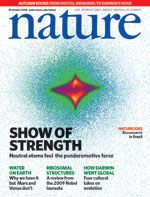
cover_natureWhilst to nutritionists and most people who understand the role of nutrients in health, the idea that the bacteria in our gut impacts on disease risk seems almost common knowledge, there is still a shortage of hard science to back this up. In the international journal Nature, periodic examples of how science is catching up appear. In the Oct 29th edition an article out of Australia really adds some substance to the role of food and bacteria in health and disease.

Read the rest of this page »

Blastocystis hominis. Is It Really A Problem?

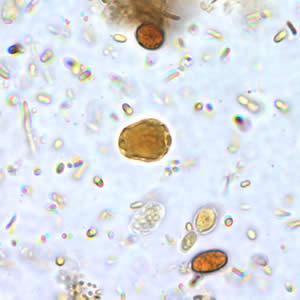
Blastocystis hominis cyst-like forms in a wet mount stained in iodine

Blastocystis hominis cyst-like forms in a wet mount stained in iodine

Problem?

Michael Ash BSc DO ND FDipION reviews the latest studies on this pathogen.

Blastocystis is an unusual enteric protozoan parasite of humans and many animals. It has a worldwide distribution and is often the most commonly isolated organism in parasitological surveys. The parasite has been described since the early 1900s, but only in the last decade or so have there been significant advances in the understanding of Blastocystis biology.

Read the rest of this page »

Lactobacillus GG: A Potent Immune Regulator Effective in Many Disorders

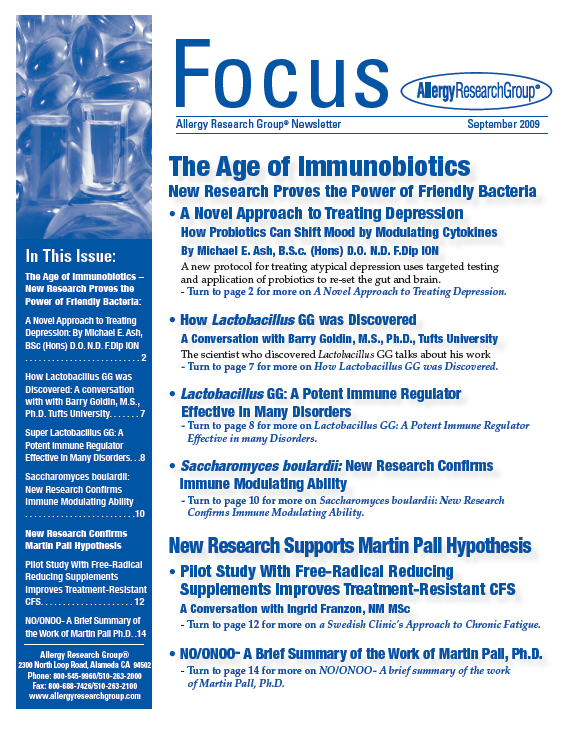
front-cover-Focus-sept-2009New Research Reveals Probiotic’s Anti-Toxin, Anti-Inflammatory, Immune Boosting Properties

Lactobacillus GG is the most prolifically researched probiotic in the world—over 400 studies have been published that document its remarkable immune-modulating properties.This unique immunobiotic was isolated from a healthy human in 1985 by a team of two Tufts University researchers,Barry Goldin, M.S., Ph.D. and Sherwood L. Gorbach, M.D. They spent nearly a decade testing organisms until they discovered one that was a potent antimicrobial, survived stomach and bile acid, and was very, very sticky—it adhered well to the gut mucosa.

Read the rest of this page »

LGG (Culturelle) Its Workings Are Explained

39.coverValio’s Lactobacillus rhamnosus GG (LGG®) is the most frequently studied and used probiotic. Under the supervision of researchers at the Institute of Biotechnology, and the Department of Basic Veterinary Sciences at the University of Helsinki, an international research team determined the genome sequences of LGG and a bacterium closely related to it. The results, published in the renowned PNAS journal, shed light on the origin of probiotic mechanisms.

Many research publications have confirmed that  bacteria promote health and support immune systems and improve digestion. Some probiotics can also alleviate the symptoms suffered by those with irritable bowel syndrome. As many as every fifth westerner suffers from this pain, also called spastic colon. Studies say that LGG probiotics are also an effective treatment method for reducing children’s atopic symptoms, and the risk of respiratory infections.

Read the rest of this page »

BioMask BF-200. Mimics Mucosal Cells Then Minerals Kill the H1N1 Virus

BioMask on ArenThe influenza virus is a determined and relentless foe. Infecting about 1 billion people worldwide annually and killing hundreds of thousands. If influenza evolves into a pandemic strain, as it did three times last century, it could kill tens of millions.

Stripped to its genetic skeleton the virus that has wrought havoc on populations and caused untold misery is one of the simplest organisms on the planet. It consists of merely eight genes. Humans, on the other hand, have some 20,000 genes.

According to experts, in the first eight weeks of a flu pandemic, an effective mask could reduce the number of cases from one million to just 6. [1]

Read the rest of this page »

Complementary and Alternative Medicine: Herbs, Phytochemicals and Vitamins and Their Immunologic Effects

S0091674909X00102_cov200hComplementary and alternative medicines (CAMs) are used in more than 80% of the world’s population and are becoming an increasing component of the US health care system, with more than 70% of the population using CAM at least once and annual spending reaching as much as $34 billion. Since the inception of the National Center for Complementary and Alternative Medicine, there has been an enormous increase in the number of basic science and therapy-based clinical trials exploring CAM.

Read the rest of this page »

Mechanisms of Immune Tolerance to Allergens

Co-evolutionary development of the immune system together with infections and non-infectious environmental proteins (allergens) has generated biologically relevant thresholds and major directions to be taken by the immune system. The default healthy immune response to allergens is expected to be no response, however, detectable T cell and antibody (particularly IgG4 and IgG1) response has been demonstrated in sensitized, but clinically healthy individuals. If an immune response develops in healthy individuals, the immune system shows allergen-specific tolerance by using multiple mechanisms in order to keep the intensity of the inflammation low and tissue destruction small.

Read the rest of this page »

New Data Analysis Shows Possible Link between Childhood Obesity and Allergies

A new study indicates there may be yet another reason to reduce childhood obesity — it may help prevent allergies. The study published in the May issue of the Journal of Allergy and Clinical Immunology showed that obese children and adolescents are at increased risk of having some kind of allergy, especially to a food. The study was funded by the National Institute of Environmental Health Sciences (NIEHS) and the National Institute of Allergy and Infectious Diseases (NIAID), both parts of the National Institutes of Health.

Read the rest of this page »

Higher serum folate levels are associated with a lower risk of atopy and wheeze

Folic acid, or vitamin B9, essential for red blood cell health and long known to reduce the risk of spinal birth defects, may also suppress allergic reactions and lessen the severity of allergy and asthma symptoms, according to new research from the Johns Hopkins Children’s Centre. In what is believed to be the first study in humans examining the link between blood levels of folate – the naturally occurring form of folic acid – and allergies, the Hopkins scientists say results add to mounting evidence that folate can help regulate inflammation. Recent studies, including research from Hopkins, have found a link between folate levels and inflammation-mediated diseases, including heart disease. Cautioning that it’s far too soon to recommend folic acid supplements to prevent or treat people with asthma and allergies, the researchers emphasise that more research needs to be done to confirm their results, and to establish safe doses and risks.

Read the rest of this page »