Lactobacillus GG: A Potent Immune Regulator Effective in Many Disorders

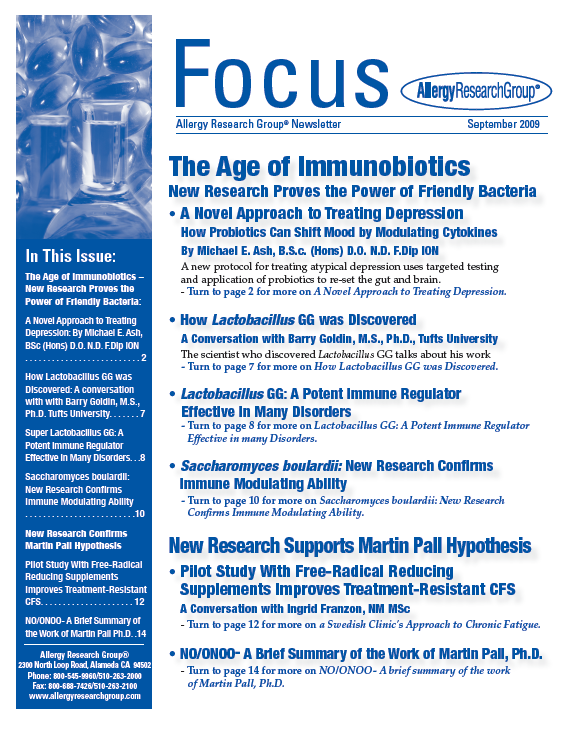
front-cover-Focus-sept-2009New Research Reveals Probiotic’s Anti-Toxin, Anti-Inflammatory, Immune Boosting Properties

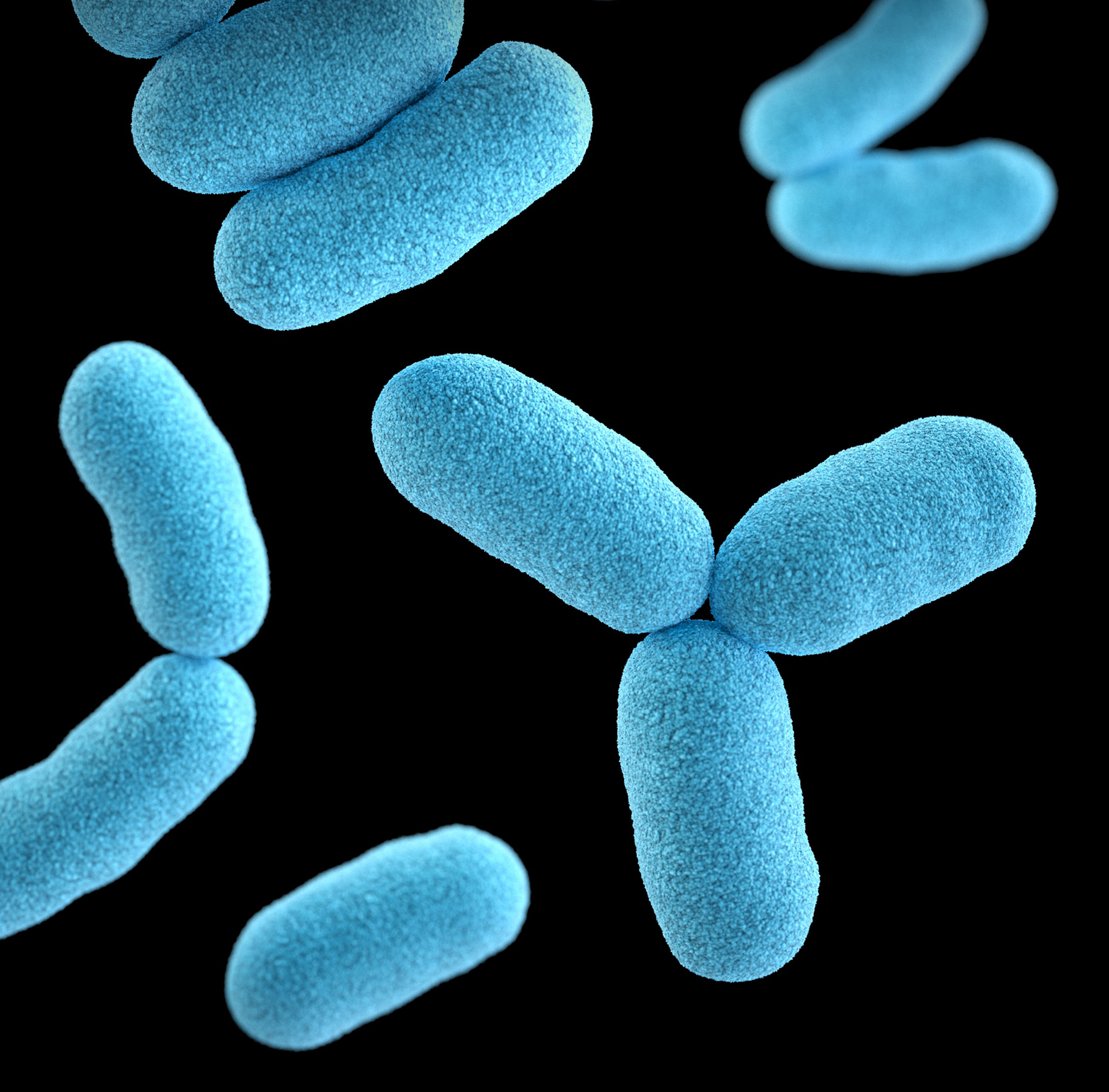
Lactobacillus GG is the most prolifically researched probiotic in the world—over 400 studies have been published that document its remarkable immune-modulating properties.This unique immunobiotic was isolated from a healthy human in 1985 by a team of two Tufts University researchers,Barry Goldin, M.S., Ph.D. and Sherwood L. Gorbach, M.D. They spent nearly a decade testing organisms until they discovered one that was a potent antimicrobial, survived stomach and bile acid, and was very, very sticky—it adhered well to the gut mucosa.

Read the rest of this page »

LGG (Culturelle) Its Workings Are Explained

39.coverValio’s Lactobacillus rhamnosus GG (LGG®) is the most frequently studied and used probiotic. Under the supervision of researchers at the Institute of Biotechnology, and the Department of Basic Veterinary Sciences at the University of Helsinki, an international research team determined the genome sequences of LGG and a bacterium closely related to it. The results, published in the renowned PNAS journal, shed light on the origin of probiotic mechanisms.

Many research publications have confirmed that  bacteria promote health and support immune systems and improve digestion. Some probiotics can also alleviate the symptoms suffered by those with irritable bowel syndrome. As many as every fifth westerner suffers from this pain, also called spastic colon. Studies say that LGG probiotics are also an effective treatment method for reducing children’s atopic symptoms, and the risk of respiratory infections.

Read the rest of this page »

A Novel Approach to Treating Depression – How Probiotics Can Shift Mood by Modulating Cytokines

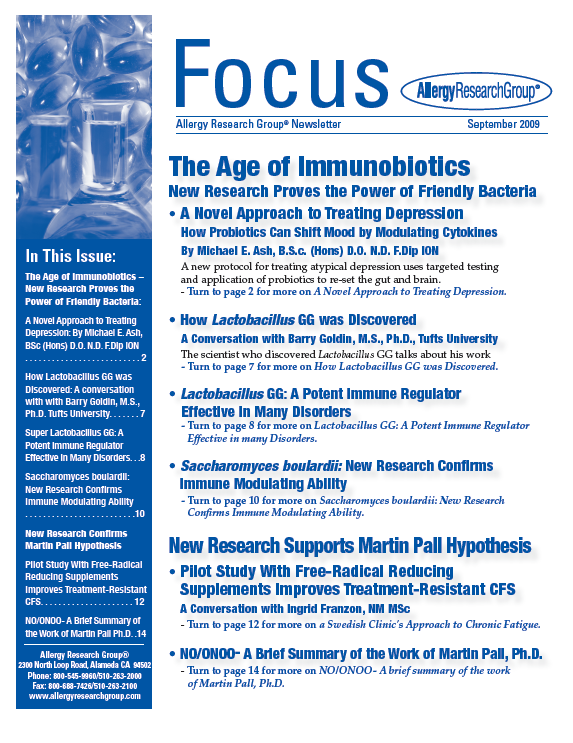
front cover Focus sept 2009

Michael E. Ash, BSc.(Hons) DO. ND. F.Dip ION has written an overview from a clinical perspective of the emerging science related to the mucosal immune system and the health of the brain in relation to affect. Published by the in house journal from Allergy Research Group it provides a strategic approach to managing individuals using a novel probiotic strategy.

From our early days in utero until we die, the ability of the GI tract to renew and replenish itself and maintain a stable relationship with trillions of bacteria is astounding. On a typical day the innate immune system of our gastrointestinal tract will process more immunological information than the rest of our body in its entire lifetime. It’s an absolute immunological miracle we can consume antigenic particles of food and not drop down dead every time we do so.

Read the rest of this page »

Bonnie Bassler on how bacteria “talk”

See original post

Microbes: What They Do & How Antibiotics Change Them

Antibiotics and antibacterials can do more damage than good when they:

Dr Maura Meade-Callahan PhD presents a summary article to explain further.

Antibiotics Take Toll on Beneficial Microbes in Gut

Comment: It’s common knowledge that a protective navy of bacteria normally floats in our intestinal tracts. Antibiotics at least temporarily disturb the normal balance. But it’s unclear which antibiotics are the most disruptive, and if the full array of “good bacteria” return promptly or remain altered for some time. In studies in mice, University of Michigan scientists have shown for the first time that two different types of antibiotics can cause moderate to wide-ranging changes in the ranks of these helpful guardians in the gut. In the case of one of the antibiotics, the armada of “good bacteria” did not recover its former diversity even many weeks after a course of antibiotics was over.

Read the rest of this page »

Antibiotic Resistance in Bacteria: Origins and Emergence

Most clinically useful antibiotics exhibit their selective toxicity by specifically blocking one or another type of bacterial macromolecular synthesis (e.g.protein, nucleic acid or cell wall synthesis) — acting on targets that are not present or accessible in animal/human cells. Since the 1940s, when drugs such as penicillin, streptomycin, and chloramphenicol were introduced widely as “miraculous” agents for treating bacterial infections, the emergence of strains resistant to these and subsequently-developed drugs has represented a continuing clinical challenge. The eventual appearance of strains simultaneously resistant to multiple antibiotics significantly worsened the problem. The latter was found to involve different resistance genes linked to each other on segments of DNA able to move efficiently from one bacterial cell to another by phenomena known as horizontal gene transfer (HGT).

Read the rest of this page »