Coeliac Disease – Local & Systemic Consequences

leaky gutCoeliac disease is an inflammatory disorder with autoimmune features that is characterised by destruction of the intestinal epithelium and remodelling of the intestinal mucosa following the ingestion of dietary gluten. The human gut is home to trillions of commensal microorganisms, and we are just beginning to understand how these microorganisms interact with, and influence, the host immune system. This may also include the late onset development of Coeliac Disease, or gluten intolerance.

Read the rest of this page »

DHA & Vit D in Pregnancy, A Key Role for Both

The Safe Foundation for a Healthy Pregnancy

APA logoThe omega-3 DHA is an “essential” fatty acid that the body cannot produce and must be consumed through diet or supplementation. The baby must acquire its DHA from its mother, and she must obtain it by increasing the omega-3s in her daily diet or from daily supplementation.[1] International recommendations suggest that pregnant and nursing women consume 300-600mg of DHA every day to ensure that mothers remain healthy during and after pregnancy, and that their babies have every opportunity for healthy development.[2]

Read the rest of this page »

All Immunity is Mucosal – The GUT is No 1

The Gut is The Formula 1 of Immunity

mi_cimageProperly regulated mucosal immunity is critical to overall health and well being. The cells found in the mucosal surfaces of the body meet on a daily basis, local challenges from foods, microbes and environmental pollutants. The result is a series of immunological decisions that on a single day exceed those made by the systemic immune system in a lifetime.

The immune system bound up in these tissues – mostly the ‘innate immune system’, must translate this infornatic onslaught to the ‘systemic immune system’  affecting the body as a whole. Immune tolerance or homeostasis in these tissues will help ensure adequate nourishment from passing ‘foreign’ food stuffs and so maintain bacterial/commensal balance. It is this bacterial balance that will ensure immunological tolerance so keeping the balance of power in the hands of health promoters (commensals) via this yin and yang relationship.

Read the rest of this page »

Revolutionary Advances in the Prevention of Demyelinating Diseases.

-Por.Media 7/2 coverVit D Essential for MS Patients

This collective review focuses on three major factors that influence the incidences of multiple sclerosis (MS) to include ultraviolet radiation (UVR), vitamin D3 supplementation, and vitamin D receptor gene (VDRG) polymorphisms.

In general, the rate of MS increases with latitude. Individuals tend to carry their original risk with them if they migrate to a different latitude after adolescence. It is important to emphasise that UVR increases the synthesis of vitamin D3, which has a known immune suppressant action via the VDRG. Clinical studies have pointed out that vitamin D deficiency may exacerbate the development of MS.

Read the rest of this page »

Science Connects Diet And Intestinal Bacteria With Healthier Immune Systems

cover_natureWhilst to nutritionists and most people who understand the role of nutrients in health, the idea that the bacteria in our gut impacts on disease risk seems almost common knowledge, there is still a shortage of hard science to back this up. In the international journal Nature, periodic examples of how science is catching up appear. In the Oct 29th edition an article out of Australia really adds some substance to the role of food and bacteria in health and disease.

Read the rest of this page »

Blastocystis hominis. Is It Really A Problem?

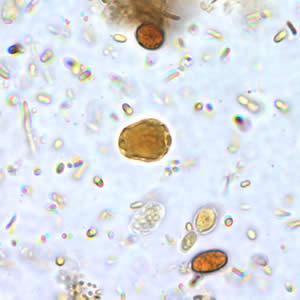
Blastocystis hominis cyst-like forms in a wet mount stained in iodine

Blastocystis hominis cyst-like forms in a wet mount stained in iodine

Problem?

Michael Ash BSc DO ND FDipION reviews the latest studies on this pathogen.

Blastocystis is an unusual enteric protozoan parasite of humans and many animals. It has a worldwide distribution and is often the most commonly isolated organism in parasitological surveys. The parasite has been described since the early 1900s, but only in the last decade or so have there been significant advances in the understanding of Blastocystis biology.

Read the rest of this page »

Vitamin D: Summary Papers To Provide Relevant Clinical Update

vitamin-dA summary of 6 papers exploring the various relationships discovered between Vit D status, health and disease risk.

Vitamin D Supplementation Improves Glycmic Control in Diabetes

Regular dosing of vitamin D (2000 IU/day) in early childhood has been shown to reduce the risk of developing Type 1 diabetes (up to an 80% reduction projected over the next 30 years),

Read the rest of this page »

Lactobacillus GG: A Potent Immune Regulator Effective in Many Disorders

front-cover-Focus-sept-2009New Research Reveals Probiotic’s Anti-Toxin, Anti-Inflammatory, Immune Boosting Properties

Lactobacillus GG is the most prolifically researched probiotic in the world—over 400 studies have been published that document its remarkable immune-modulating properties.This unique immunobiotic was isolated from a healthy human in 1985 by a team of two Tufts University researchers,Barry Goldin, M.S., Ph.D. and Sherwood L. Gorbach, M.D. They spent nearly a decade testing organisms until they discovered one that was a potent antimicrobial, survived stomach and bile acid, and was very, very sticky—it adhered well to the gut mucosa.

Read the rest of this page »

LGG (Culturelle) Its Workings Are Explained

39.coverValio’s Lactobacillus rhamnosus GG (LGG®) is the most frequently studied and used probiotic. Under the supervision of researchers at the Institute of Biotechnology, and the Department of Basic Veterinary Sciences at the University of Helsinki, an international research team determined the genome sequences of LGG and a bacterium closely related to it. The results, published in the renowned PNAS journal, shed light on the origin of probiotic mechanisms.

Many research publications have confirmed that  bacteria promote health and support immune systems and improve digestion. Some probiotics can also alleviate the symptoms suffered by those with irritable bowel syndrome. As many as every fifth westerner suffers from this pain, also called spastic colon. Studies say that LGG probiotics are also an effective treatment method for reducing children’s atopic symptoms, and the risk of respiratory infections.

Read the rest of this page »

Treatment of Hypovitaminosis D in Infants and Toddlers

coverThe optimal status for Vitamin D is unlikely to be met without the ingestion of Vit D supplements. This is in part because the minimum levels are being revised upwards and the suitable food sources are inadequate in nutrient density and are erratically consumed. In addition the change in sunbathing practices in the northern hemisphere has led to a widely recognised Vit D deficiency pandemic.

Children are especially vulnerable to the adverse consequences of Vit D deficiency during their growing years. Recognising the need for supplemental intervention a group of clinicians and scientists from Divisions of Adolescent Medicine and Endocrinology, Children’s Hospital Boston, and Biotics Research Corporation explored the effectiveness of differing forms of Vit D3 in the restoration of normal levels of Vit D status in children.

Read the rest of this page »