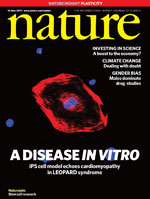

Nature Vs Nurture Debate Meets Godzilla
Nutrition, infection, experiences, the environment and genes interact to provide alterations to the phenotype. This concept is referred to as plasticity, the ability of organisms or cells to alter their phenotype in response to changes in the environment.[1]
This interaction is able to be measured at the level of the actual genome by analysing epigenetic modifications, at the individual cell and organism level by observing the effects during development of the embryo or by changes in the behaviour of adults for example.
Traditional science taught us that cells were hard wired for a lifetime and that our future was encoded in our DNA, providing a neat ‘get out of responsibility’ clause for those patients wishing to explain their lack of willingness to engage in lifestyle changes as being a pointless attempt to mitigate those genetic codes handed down from their parents.
Modern science demonstrates that cells are remarkably plastic in their ability to adapt, and epigenetics explains how these modifications impact on our future decisions concerning interventions that influence cell and gene expression.
Read the rest of this page »
Has Mandatory Folic Acid Supplementation Of Foods Increased The Risk Of Asthma And Allergic Disease?
Folate (the naturally occurring form) and folic acid are forms of a water-soluble B vitamin (B9) that were first synthesized in 1945. Folate functions as an important cofactor in the transfer and use of 1-carbon moieties, primarily methyl groups. An important advance in understanding subclinical folate deficiency came in 1991 with the demonstration that folic acid supplementation before and during pregnancy dramatically reduced the risk of neural-tube defects in newborns. Folate supplementation of women before and during the first trimester of pregnancy has a dose-response effect in preventing neural-tube defects, ranging from a 23% reduction with 200 μg to an 85% reduction with 5000 μg of folic acid per day. The strong evidence demonstrating reduced risks of neural-tube defects led to mandatory folic acid fortification of cereal grain products in the United States by January 1, 1998. Fortification of foods with folic acid in the United States costs about $1,000 per neural-tube defect prevented. Even with all the information on the benefits of folate, many studies show inadequate folate intake among young women. Adequate folate levels have also been associated with reduced risks of coronary artery disease, colorectal cancer, and dementia.
Read the rest of this page »