Helicobacter Pylori a Natural Approach to Eradication – Free Review
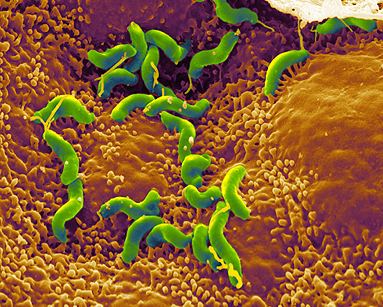
Dr Rachel Olivier MS ND PhD describes the pathopysiology of the infection and explores the role of natural agents in the eradication and control of this ubiquitous organism.
In 1982, when this bacterium was discovered by Marshall and Warren, stress and lifestyle were considered the major causes of peptic ulcer disease. It is now firmly established that Helicobacter pylori causes more than 90% of duodenal ulcers and up to 80% of gastric ulcers. The link between Helicobacter pylori infection and subsequent gastritis and peptic ulcer disease has been established through studies of human volunteers, antibiotic treatment studies and epidemiological studies.
Read the rest of this page »
Grape Extracts May Be Effective Against Harmful Gut Bacteria (H.Pylori)
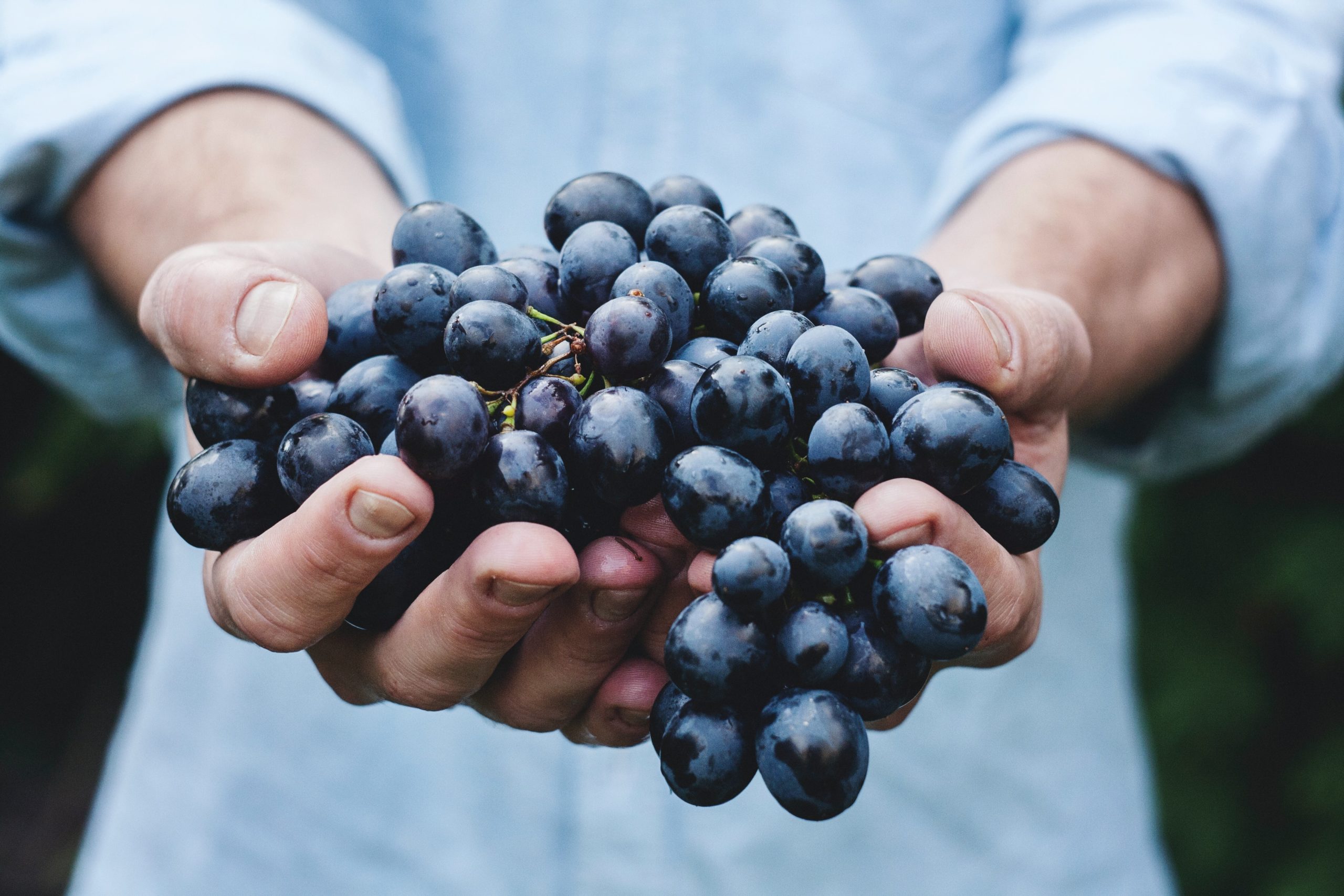
In a new study researchers from Clemson University found various grape extracts and their compounds to be effective at inhibiting Helicobacter pylori, one of the leading causes of gastritis in humans. The antibacterial effects of extracts from red, white, black and muscadine grapes as well as the pure compounds resveratrol, ellagic acid, and myricetin were tested for anti-H. pylori activity using agar dilution, laser scanning microscopy and cell proliferation. Following 24 hour treatment, results showed that muscadine grape skin extract had the highest anti-H. pylori effect, followed by muscadine grape synergy and seed extract. Additionally, two of the three compounds, resveratrol and ellagic acid, also inhibited H. pylori.
Brown et al. Antibacterial Effects of Grape Extracts on Helicobacter pylori. Applied and Environmental Microbiology, 2008; 75 (3): 848 View Abstract
Supplemental Dietary Glutamine Reduces H. Pylori-Related Pathology
Recent findings suggest that the amino acid glutamine reduces Helicobacter pylori-associated pathology in mice and may therefore have similar effects in humans with gastric ulcers caused by H. pylori.
Read the rest of this page »