
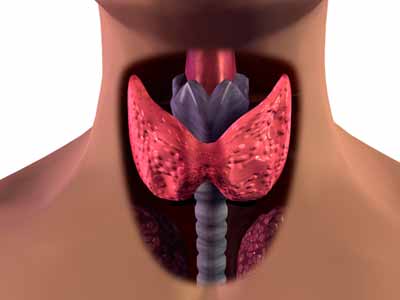
 When a patient or client presents with thyroid challenges, it is worth remembering that the thyroid is a dynamically affected tissue which means that it may spontaneously revert to normal. The natural history of sub-clinical hypothyroidism is variable; thyroid function normalises spontaneously in some subjects, whereas it progresses to overt hypothyroidism in others[1],[2]
The clinical evidence is clear that prior to offering thyroid replacement, identifying underlying triggers for thyroid dysfunction is a must.
From a nutritional and endocrine perspective evaluating the health of the related adrenal glands, and supporting them accordingly will assist in stabilising TSH in line with balancing cortisol levels and DHEA responses.
Individual nutrients to be considers, albeit that this is not an exhaustive list:
Ferritin levels[3],[4] of at least 70-90 mg/dl. The ferritin test is requested to see how much iron your body has stored for future use. The test is done, usually with an iron test and the total iron binding capacity (TIBC), unbound iron binding capacity (UIBC), or transferrin saturation, to learn about iron levels in your blood. Chronic infection, inflammation or certain
diseases causing tissue and organ damage can produce a false reading. The normal range for ferritin is usually between 30 and 300 mg/dL in men, but it is recommended that for everyone with a ferritin less than 60 mg/dL, they should be given iron treatment. The goal of treatment is to raise ferritin levels to a value between 70 and 90 mg/dL and this is usually achieved with oral iron treatment. Raising ferritin levels to this range may be needed for patients with hypothyroidism to have an optimal response to thyroid hormone treatment.
Signs and Symptoms of Low Serum Ferritin (many mimic symptoms of hypothyroidism)
Symptoms:
- General lethargyUnusual fatigue after exercis
- Pica (compulsive eating of non-food items)
- Pagophagia (compulsive eating of ice)
- Depression
- General weakness
- Fast heartbea
- Palpitations
- Loss of libido
- Brain fog
- Hair loss
- Faintness and breathlessness
- Dizziness
- Long or unusually heavy menstrual periods
Signs:
- Paleness of the skin or eyes
- Intestinal problems
- Cognitive problems such as impaired learning ability and spoon nails (thin and concave fingernails)
- Bruising that occurs without reason
Selenium at a serum value of at least 90mcg/L is also required as selenium is a very important component of thyroid function.[5]
Zinc is required to assist with appropriate T4/T3 levels.[6]
Iodine is of course essential and doses ranging from certainly a must as well, with a minimum of 150 mcg daily, to 6mg per day in initial dosing strategies.
It has also been noted that up to 40% of hypothyroid patients are B12 deficient.[7]
References
[1] Vanderpump MP, Tunbridge WM, French JM, et al. The incidence of thyroid disorders in the community: a twenty-year follow-up of the Whickham Survey. Clin Endocrinol (Oxf). 1995;43:55-68 View Abstract
[2] Huber G, Staub JJ, Meier C, et al. Prospective study of the spontaneous course of subclinical hypothyroidism: prognostic value of thyrotropin, thyroid reserve, and thyroid antibodies. J Clin Endocrinol Metab. 2002;87:3221-3226 View Full Paper
[3] Zimmermann MB, Köhrle J. The impact of iron and selenium deficiencies on iodine and thyroid metabolism: biochemistry and relevance to public health. Thyroid. 2002 Oct;12(10):867-78. Review. View Abstract
[4] Eftekhari MH, Eshraghian MR, Mozaffari-Khosravi H, Saadat N, Shidfar F. Effect of iron repletion and correction of iron deficiency on thyroid function in iron-deficient Iranian adolescent girls. Pak J Biol Sci. 2007 Jan 15;10(2):255-60. View Abstract
[5] Toulis KA, Anastasilakis AD, Tzellos TG, Goulis DG, Kouvelas D. Selenium supplementation in the treatment of Hashimoto’s thyroiditis: a systematic review and a meta-analysis. Thyroid. 2010 Oct;20(10):1163-73. Review. View Abstract
[6] Ertek S, Cicero AF, Caglar O, Erdogan G. Relationship between serum zinc levels, thyroid hormones and thyroid volume following successful iodine supplementation. Hormones (Athens). 2010 Jul-Sep;9(3):263-8. View Abstract
[7] Morel S, Georges A, Bordenave L, Corcuff JB. Thyroid and gastric autoimmune diseases. Ann Endocrinol (Paris). 2009 Mar;70(1):55-8. Epub 2009 Jan 15. View Abstract