
Functional and pathological digestive tract conditions reflect a change in the relationship between the host microbiota and the mucosal immune and nervous system. These result in a wide range of distressing symptoms for which there are a variety of strategies, but no single intervention of consistent benefit. A component of patient care we sometimes overlook is that of the application of therapeutically relevant foods. For over 20 years I have been using a tried and tested formula that contemporary scientific research is now explaining why it has proven so effective for many patients.
What do I mean by effective? – Changes in inflammatory markers, reduced need for anti-inflammatory medication, better gastrointestinal function, weight loss, mood uplift and change in colonic and small intestinal flora ratios with improved digestive and eliminative function fit the bill for me.
In part these changes in symptoms are due to changes in dendritic cell (DC) regulatory function and increased oral tolerance which I hypothesise is due to increased regulatory T cell (Treg) promotion in the periphery especially in the GI Tract. This immune modulating food combination may be eaten for breakfast and dinner or as a meal substitute (no more than 1 substitution per day for many days) and as a quick and soothing snack.
In response to numerous requests, you may down load a PDF version of this article by simply clicking: Perfect Functional Meal for Mucosal Tolerance
Reactivity to Apples
I accept that there are patients that display reactivity to apples – the principle ingredient of this meal- and in part this is due to cross reactivity with birch pollen or latex allergy, and for others it relates to lipid transfer protein reactivity. For them, exchanging the apples for pears with all the other ingredients may offer a satisfactory alternative but as always must be judged on outcome or relevant investigations which may include changes of apple selection.[1]
 Stewed Healing Apples and Immune Cofactors
Recipe:
Ingredients for primary stage
- 6 Bramley cooking apples (or apples of choice preferably grown organically)
- 1/2 cup water
- 1/2 cup raisins/sultanas (for added sweetness and fibre)
- 2 tsp. cinnamon
Directions
Peel and core the apples and chop them into small evenly sized pieces.
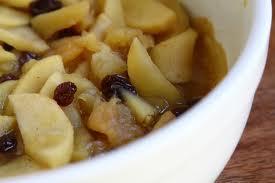
Put all the ingredients in a covered, heavy-bottomed pan and cook for about 15 minutes, stirring regularly. Cook until soft with rough shapes, no longer identifiable as apple slices. The colour should be a russet brown with the cinnamon effect.
These may be eaten warm, or cold. I suggest making up as many ramekins (sized to hold 1 – 1.5 apple equivalent in each and covered and put in the fridge for easy recovery and to avoid food deviation due to lack of availability and so maintain compliance.
Ingredients for secondary stage
- 1 tsp. of larch arabinogalactans stirred into the apple to add sweetness – if required
- 1 Saccharomyces Boulardii 250mg capsule sprinkled on the top – or swallowed separately
- 1 mix of Bifidobacteria (mixed strains) (500mg) 5billion CFU sprinkled on top – or swallowed separately
- 1 x LGG sprinkled on top – or swallowed separately
- ½ container of organic natural yogurt (dairy) or soy equivalent approx. 75mg
- Add 6-8 blueberries and 4-5 almonds in their skins
- Finally, if required, a teaspoon of Manuka honey
The Scientific Rationale.
Foods confer information to humans through the direct delivery of micro and macronutrients via different signalling mechanisms. The immune system in the gastrointestinal system is a highly active component of human health and its commensal bacterial load, in conjunction with the foods selected confer a wide range of opportunities for the delivery of specialised data to alter genetic and non-genetic derived immune outcomes.
The principle food group in this dish is apple, the reason being that they are generally well tolerated, enjoyed and well-studied. They are also easy to cook and for patients with limited access to cooking facilities or a lack of interest in cooking this dish makes a simple but powerful connection between food and health.
Allergy Protection
In analyses of individual foods, intake of apples/pears and carrots (all favourites of mine) was inversely associated with rhinitis, asthma, and atopic sensitisation. Essentially the more you ate of these foods the better equipped your immune system is to handle antigen exposure.[2]
Antibiotic Impact
However, the positive health effects of apple-derived polyphenols, which from in vivo studies have been identified as some of the key immune modulating elements that give apples their therapeutic value still depend on their absorption, metabolism, distribution, and elimination from the body after consumption. This process requires the availability of relevant commensal organisms and the absence of antibiotics. Antibiotics produce adverse alterations of polyphenolic breakdown.[3]
Phenolic Compounds
Apples vary in their phenolic content, Honeycrisp and Red Delicious (USA) varieties had the highest total phenolic contents in one study and a there was significant correlation with antioxidant capacity (r = 0.91).[4]
At individual compound level, epicatechin and procyanidin B2 were the major contributors to the antioxidant activity of apple.[5]
The phenolic compounds in apples are also indicated for use in common chronic conditions; the consumption of apples could provide health benefits by reducing the risk for chronic diseases such as metabolic syndrome disease, including type 2 diabetes.[6]
Apple Skins
Whilst this recipe suggests peeling the apples to obtain a satisfactory stewed consistency, the content of phenolic compounds, dietary fibre, and minerals are higher in apple peel, compared to other edible parts of this fruit. Hence apple peel may be left on some of the slices to add additional benefits.[7]
Organic or Not?
Common questions arise relating to the growing methods employed and whether there is any benefit in choosing, where possible, to eat organically grown apples. Organic apples appear to have higher total phenolic content than integrated grown ones. Apples from organic production have also shown a higher content of hydroxycinnamic acids, flavanols, dihydrochalcones, quercetins and total phenolics than apples from integrated cultivation.[8]
The very high levels of phenolic compound in organically grown cultivars, and with it, its importance for human health leads to my recommendation to eat regional fruits from organic fruit growing instead of those grown under integrated cultivation. Sugar levels are also higher in organically grown cultivars making it a valid consideration for diabetics and the additional recommendation to include the herb cinnamon for its blood sugar managing benefits.[9]
However, both organic and non-organic apples display antigenotoxic potential by decreasing DNA damage after ingestion (Golden Delicious) and will still provide adequate phenols to aid immune maturation.[10]
Inflammation Control
Apples through their polyphenolic compounds protect the intestinal tissues from inflammatory damage and cytokine activity via the management of a primary gene related amplifying component of immune defence called Nuclear Factor Kappa B (NFk-β) inhibition.[11]
Serum C-Reactive Protein (CRP), a marker of acute inflammation levels have also been shown to have an inverse relationship with an intake of apples via flavonoid inhibition.[12]
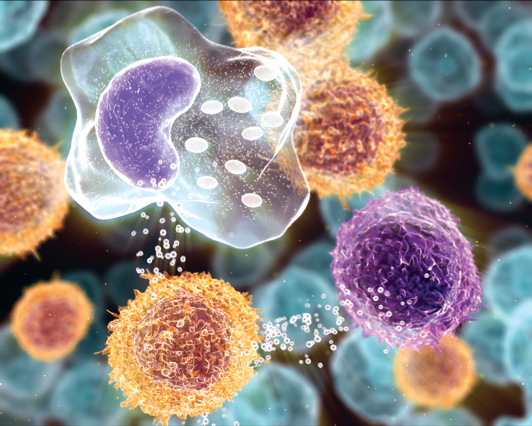
Apples also aid immune regulation and diminish mucosal sensitivity via histamine suppression through reduction of mast cell degranulation. In addition they may be able to induce oral tolerance via inhibition of specialised tolerance inducing T cells (γδ T cell) degradation under allergen exposure in the gut.[13]
Brain Benefits
Apples also confer a benefit away from the GI Tract improving beta-adrenergic receptor physiology in the brain via down regulation of inflammatory cytokines.[14]
Sickness behaviour (an immune driven response characterised by malaise, fatigue, anhedonia, anxiety and depression) has also been beneficially mediated via mucosal tissue activation of T helper cell phenotype Treg and cytokine management, at a human dose equivalent of 3 apples per day.
Soluble fibre, as derived from apples is resistant to digestion but fermentable. Fermentation of soluble fibre by GI bacteria (primarily in the ileum/colon) generates short-chain fatty acids (SCFAs). These SCFAs are described as two- to five-carbon weak acids, with butyrate appearing to have the greatest potential role in immunity due to its recently described palliative effect in inflammatory bowel diseases. [15] In part this appears due the improved quality of the epithelial barrier and diminished bacterial translocation and immune activation.
Butyrate is a well recognised histone deacetylase inhibitor and transcription of certain cytokines appears reliant on acetylation of histones associated with their promoters. One way that diet could regulate the innate immune system is by changing T-helper (Th) cell polarisation and impacting T helper cell cytokine signalling ratios: Th 1/2 & Th17. These effector cell determining cytokines especially the anti-inflammatory IL-4 via suppression of IFN-γ then confer a greater state of immunological tolerance. The results in this trial showed a neuroimmune benefit and faster recovery from lipopolysaccharide (LPS) induced sickness behaviour by up to 50% over the non-soluble fibre supported group in fact the non-soluble fibre had an inverse relationship with these effects.[16]
Prebiotic
A diet high in apples also has a direct impact on bacterial colonisation in the colon and may have benefits outside of immune management in the local tissues which in part is mediated by gene to gene interactions that includes altering genetic expression related to adiposity and so aids in weight management. It does this via bacterial gene expression changes associated with a favouring of Bacteroidetes growth promotion (a genus of bacteria found in abundance in normal weight humans and deficient in obese humans), and suggests a reduction in Lactobacillus species supplementation as supportive agents in this meal if weight management is a part of the desired outcome.[17]
Phenolic compounds found in apples as already described actually rely on bacterial species in the gut to modify them and so improve or otherwise their bioactive metabolites.[18]
The dihydroxylated phenolic acids derived from the microbial metabolism of apples present marked anti-inflammatory properties, providing additional information about the health benefits of dietary polyphenols and their potential value as therapeutic agents.[19]
Apples also help to alter the pathobiont (these are commensals that alter their relationship with the host depending on environmental triggers) mix of bacteria in human guts when consumed regularly; suggesting a role for their use in mild to moderate dysbiosis induced inflammation and loss of tolerance.[20] In a small but clinically interesting study, healthy adults noted an increase in Bifidobacteria species and Lactobacillus numbers also rose, but Clostridium. Perfringens, Pseudomonas and Enterobacteriaceae declined on a diet of 2 apples a day for 2 weeks.[21]
These findings indicate that apple consumption is related to an improved intestinal environment. Apple pectin is one of the effective apple components improving the faecal environment, citrus pectin produces a better total SCFA production in human gut than, soy, sugar beet, oat and pea fibre.[22]
Cinnamon
Cinnamon is added to the apples at the time of cooking as this herb has demonstrated a number of benefits to add value to the stewed apple.
Cinnamon inhibits experimental colitis by maturing antigen presenting dendritic cells into a tolerogenic format, increasing IL-10 production and TGFβ production whilst reducing IL-1, IFN-γ and TNFα. This suggests the potential of cinnamon extract as an anti-inflammatory agent by targeting the generation of regulatory APCs and IL-10(+) regulatory T cells all of which contribute to the management of aberrant inflammation.[23]
Cinnamon also offers an insulin modifying role that helps to counteract the impact of consuming cooked apples (which increases the release of fruit sugars) providing access to this recipe by patients with metabolic syndrome and diabetes. The available in vitro and animal in vivo evidence suggests that cinnamon has anti-inflammatory, antimicrobial, antioxidant, anti-tumour, cardiovascular, cholesterol-lowering, and immunomodulatory effects. The use of cinnamon as an adjunct to the treatment of type 2 diabetes mellitus is the most promising area of research so far.[24]
Yoghurt
Yoghurt derived from cow’s milk confers a number of potentially relevant immunomodulating effects in which suppression of cyclooxygenase 2 (COX2) proteins and lower pro-inflammatory cytokines feature.[25]
Yoghurt derived from soy may also offer immunomodulating properties depending on the cultures using during fermentation.[26]
Berries
Blueberries have been well studied to assess their effects in vivo and in vitro. Combining them with yogurt provides a synergistic effect that contributes to the suppression of colitis after just 9-10 days of ingestion.[27]
Arabinogalactans
Larch arabinogalactans are high molecular weight, highly branched, water-soluble polysaccharides, which contain units of D-galactose and L-arabinose and confer sweetness to the stewed apple whilst also providing mucosal immune activation. This includes natural killer cell (NKc) cytotoxicity and complement promotion both of which operate as part of the innate and adaptive immune systems. Other changes have been noted in anaerobe combinations – changes to the balance of bacteria in the gut – and ammonia reductions suggesting it has a role as a prebiotic as well.[28],[29]
Honey (Manuka)
Seeking to add additional bacterial modulating food ingredients may be done with Manuka Honey derived from New Zealand. This honey has shown potential in the treatment of antibiotic resistant organisms in the gastrointestinal tract.[30]
Almonds in Skins
Provide protein and immune modulating effects when consumed and their skins are intact.[31] Consumed as part of the dish they also provides a protein to carbohydrate ratio benefit
References
[1] Ebo DG, Bridts CH, Verweij MM, De Knop KJ, Hagendorens MM, De Clerck LS, Stevens WJ. Sensitization profiles in birch pollen-allergic patients with and without oral allergy syndrome to apple: lessons from multiplexed component-resolved allergy diagnosis. Clin Exp Allergy. 2010 Feb;40(2):339-47. Epub 2009 Aug 26. View Abstract [2] Rosenlund H, Kull I, Pershagen G, Wolk A, Wickman M, Bergström A. Fruit and vegetable consumption in relation to allergy: Disease-related modification of consumption? J Allergy Clin Immunol. 2011 Jan 6. View Abstract [3] Kahle K, Kempf M, Schreier P, Scheppach W, Schrenk D, Kautenburger T, Hecker D, Huemmer W, Ackermann M, Richling E. Intestinal transit and systemic metabolism of apple polyphenols. Eur J Nutr. 2010 Dec 24. View Abstract [4] Titgemeyer EC, Bourquin LD, Fahey GC Jr, Garleb KA. Fermentability of various fiber sources by human fecal bacteria in vitro. Am J Clin Nutr. 1991 Jun;53(6):1418-24. View Abstract [5] Tsao R, Yang R, Xie S, Sockovie E, Khanizadeh S. Which polyphenolic compounds contribute to the total antioxidant activities of apple? J Agric Food Chem. 2005 Jun 15;53(12):4989-95. View Abstract [6] Barbosa AC, Pinto Mda S, Sarkar D, Ankolekar C, Greene D, Shetty K. Varietal influences on antihyperglycemia properties of freshly harvested apples using in vitro assay models. J Med Food. 2010 Dec;13(6):1313-23. Epub 2010 Sep 27. View Abstract [7] Henríquez C, Speisky H, Chiffelle I, Valenzuela T, Araya M, Simpson R, Almonacid S. Development of an ingredient containing apple peel, as a source of polyphenols and dietary fiber. J Food Sci. 2010 Aug 1;75(6):H172-81. View Abstract [8] Mikulic Petkovsek M, Slatnar A, Stampar F, Veberic R. The influence of organic/integrated production on the content of phenolic compounds in apple leaves and fruits in four different varieties over a 2-year period. J Sci Food Agric. 2010 Nov;90(14):2366-78. View Abstract [9] Hecke K, Herbinger K, Veberic R, Trobec M, Toplak H, Stampar F, Keppel H, Grill D. Sugar-, acid- and phenol contents in apple cultivars from organic and integrated fruit cultivation. Eur J Clin Nutr. 2006 Sep;60(9):1136-40. Epub 2006 May 3. View Abstract [10] Briviba K, Stracke BA, Rüfer CE, Watzl B, Weibel FP, Bub A. Effect of consumption of organically and conventionally produced apples on antioxidant activity and DNA damage in humans. J Agric Food Chem. 2007 Sep 19;55(19):7716-21. Epub 2007 Aug 16. View Abstract [11] Jung M, Triebel S, Anke T, Richling E, Erkel G. Influence of apple polyphenols on inflammatory gene expression. Mol Nutr Food Res. 2009 Oct;53(10):1263-80. View Abstract [12] Chun OK, Chung SJ, Claycombe KJ, Song WO. Serum C-reactive protein concentrations are inversely associated with dietary flavonoid intake in U.S. adults. J Nutr. 2008 Apr;138(4):753-60. View Abstract [13] Enomoto T, Nagasako-Akazome Y, Kanda T, Ikeda M, Dake Y. Clinical effects of apple polyphenols on persistent allergic rhinitis: A randomized double-blind placebo-controlled parallel arm study. J Investig Allergol Clin Immunol. 2006;16(5):283-9. View Abstract [14] Gemma C, Mesches MH, Sepesi B, Choo K, Holmes DB, Bickford PC. Diets enriched in foods with high antioxidant activity reverse age-induced decreases in cerebellar beta-adrenergic function and increases in proinflammatory cytokines. J Neurosci. 2002 Jul 15;22(14):6114-20. View Abstract [15] Lewis K, Lutgendorff F, Phan V, Söderholm JD, Sherman PM, McKay DM. Enhanced translocation of bacteria across metabolically stressed epithelia is reduced by butyrate. Inflamm Bowel Dis. 2010 Jul;16(7):1138-48. View Abstract [16] Christina L. Sherry, Stephanie S. Kim, Ryan N. Dilger, Laura L. Bauer, Morgan L. Moon, Richard I. Tapping, George C. Fahey Jr., Kelly A. Tappenden, Gregory G. Freund. Sickness behavior induced by endotoxin can be mitigated by the dietary soluble fiber, pectin, through up-regulation of IL-4 and Th2 polarization. Original Research Article. Brain, Behavior, and Immunity, Volume 24, Issue 4, May 2010, Pages 631-640. View Abstract [17] Rastmanesh R. High polyphenol, low probiotic diet for weight loss because of intestinal microbiota interaction. Chem Biol Interact. 2011 Jan 15;189(1-2):1-8. Epub 2010 Oct 15. Review. View Abstract [18] Selma MV, Espín JC, Tomás-Barberán FA. Interaction between phenolics and gut microbiota: role in human health. J Agric Food Chem. 2009 Aug 12;57(15):6485-501. Review. View Abstract [19] Monagas M, Khan N, Andrés-Lacueva C, Urpí-Sardá M, Vázquez-Agell M, Lamuela-Raventós RM, Estruch R. Dihydroxylated phenolic acids derived from microbial metabolism reduce lipopolysaccharide-stimulated cytokine secretion by human peripheral blood mononuclear cells. Br J Nutr. 2009 Jul;102(2):201-6. View Abstract [20] Chow J, Mazmanian SK. A pathobiont of the microbiota balances host colonization and intestinal inflammation. Cell Host Microbe. 2010 Apr 22;7(4):265-76. View Abstract [21] Shinohara K, Ohashi Y, Kawasumi K, Terada A, Fujisawa T. Effect of apple intake on fecal microbiota and metabolites in humans. Anaerobe. 2010 Oct;16(5):510-5. Epub 2010 Mar 19. View Abstract [22] Titgemeyer EC, Bourquin LD, Fahey GC Jr, Garleb KA. Fermentability of various fiber sources by human fecal bacteria in vitro. Am J Clin Nutr. 1991 Jun;53(6):1418-24. View Abstract [23] Kwon HK, Hwang JS, Lee CG, So JS, Sahoo A, Im CR, Jeon WK, Ko BS, Lee SH, Park ZY, Im SH. Cinnamon extract suppresses experimental colitis through modulation of antigen-presenting cells. World J Gastroenterol. 2011 Feb 28;17(8):976-86. [24] Qin B, Panickar KS, Anderson RA. Cinnamon: potential role in the prevention of insulin resistance, metabolic syndrome, and type 2 diabetes. J Diabetes Sci Technol. 2010 May 1;4(3):685-93. View Abstract [25] Urbanska AM, Paul A, Bhahena J, Prakash S. Suppression of tumorigenesis: modulation of inflammatory cytokines by oral administration of microencapsulated probiotic yogurt formulation. Int J Inflam. 2010 Oct 31;2010:894972. View Abstract [26] Wagar LE, Champagne CP, Buckley ND, Raymond Y, Green-Johnson JM. Immunomodulatory properties of fermented soy and dairy milks prepared with lactic acid bacteria. J Food Sci. 2009 Oct;74(8):M423-30. [27] Osman N, Adawi D, Ahrné S, Jeppsson B, Molin G. Probiotics and blueberry attenuate the severity of dextran sulfate sodium (DSS)-induced colitis. Dig Dis Sci. 2008 Sep;53(9):2464-73. Epub 2008 Feb 15 View Abstract [28] Robinson RR, Feirtag J, Slavin JL. Effects of dietary arabinogalactan on gastrointestinal and blood parameters in healthy human subjects. J Am Coll Nutr. 2001 Aug;20(4):279-85. View Abstract [29] Nantz M, Painter A, Parker E, McGill C, Percival S. Evaluation of arabinogalactan’s effect on human immunity. FASEB J. 2001;15:A633. View Abstract [30] Lin SM, Molan PC, Cursons RT. The controlled in vitro susceptibility of gastrointestinal pathogens to the antibacterial effect of manuka honey. Eur J Clin Microbiol Infect Dis. 2011 Apr;30(4):569-74. Epub 2010 Dec 17. View Abstract [31] Arena A, Bisignano C, Stassi G, Mandalari G, Wickham MS, Bisignano G. Immunomodulatory and antiviral activity of almond skins. Immunol Lett. 2010 Aug 16;132(1-2):18-23. Epub 2010 May 11. View Abstract




43 Comments. Leave new
Nice recipe Mike, great that you are able to encourage people to use food as medicine.
Wonderful and thank you for explaining the scientific rationale behind it. I would normally add 1 tbsp lemon juice to the mix during cooking to prevent excess discolouration/oxidation – although I guess the cinnamon ‘browns’ the apples anyway.
Wonderful article, but Not clear about what 1x LGG means. Would love to know. Also where to get the larch arabinogalactans ?
Hello Adrian
Lactobacillus GG (lgg) is the worlds most researched probiotic, with over 300 papers looking at in vivo and in vitro studies. Larch Arabino Galactans is a powder derived from the bark of the Larch Trees. In both cases, these are sold as food supplements. You may contact Nutri-Link for further advice. 08450 760 402
Thank you very much for the protocol. Could you clarify whether the ingredients in the secondary stage should all be added after cooking the apples? Also they are to be taken as listed for each serving size, correct?
Finally, how long should one be on the protocol?
Thank you for this crucial information.
I recently heard you talk on The Auto Immune Summit and you mentioned adding ground flax to your recipe. I absolutely understand the health benefits from this, but in your experience is this something that is widely tolerated or are their groups who may struggle with fresh seeds such as Crohn’s patients? In which case should we wait to see some gut healing before introducing the flax?
Thank you again for such a brilliantly simple solution to such debilitating issues.
Best Wishes
from
Gemma
Hello Gemma
I do not recall suggesting ground flax to the standard recipe, if I did I may have been answering a related question. My experience is that the addition of flax is not necessary, albeit I do recommend a lipid replacement treatment known as NT factor, and that is available in powder format. That is derived from organic soy, and the lipid ratio and accessory co factors have been well studied in human trials for the ability to offer mitochondrial repairing fats, with subsequent improvement in fatigue scores and immune markers.
best wishes
Michael
Could this be given to a 16 month old, Thanks
Yes it can, just be appropriate with amount
Hi Michael,
i have been given your research by my integrative Dr and did my stewing – i only stooped month ago and realised my gut issue is slowly creeping back – I’m amazed that this simple thing makes such an difference!!
we have been fed stewed apples as a kids (I’m afraid with added sugar) – I’m not much on sweets, so i only used the recipe with water, green organic apples and cinnamon – massive difference!
i look forward to more study and new knowledge gained.
i just wanted to say: thank you.x
If I freeze the stewed apple will it lose its benefits, I have a glut of apples at the moment in the garden and this sounds like a perfect way to use them
Thank you
You may freeze the apples, that way you can hold them in store ready for use.
If I were to cook these less initially, then can them in Mason jars, would it still be beneficial? I have 100# of organic apples :-).
I also heard you on Betrayal with Tom O’Bryan and learned so much. Thank you!
cooked apples can be stored for about 3-4 days in a fridge, they may last longer in mason jar, but best way is to freeze them and reheat as needed.
I’ve been watching the Betrayal docu-series and just finished watching episode 3. It is fantastic! I am intrigued by your stewed apples. Is there a certain time of day that eating them would be more effective? Thank you and I look forward to hearing more from you and the other professionals in the series!
Normally I suggest that some is eaten with each meal.
Hi there. Amazing article.
I’m 23 and have had severe ulcerative colitis for the past 6 years. I’ve been in the stage one of the gaps diet for 4 weeks now (I have diahrroea so have only been having stock and probiotics)
The issue is that it’s not been able to bind the stool.
Would this recipie be suitable for someone in my condition? Who’s looking to bind their stool, I understand that fibre is needed for probiotics to work but I’m not allowed any under the GAPS diet!? Help!
I don’t want to take drugs or medication anymore as they have no positives effect.
If I put the cooked stewed apples in Vitamix, on lowest setting for 30 seconds, just to slightly puree, will that change the healthy part? I have been preparing raw apple sauce for 22 years, I put supplement capsules onto a heaping tablespoon of homemade apple sauce to soothe the pill taking, in other words, my family members cannot swallow pills without the heaping tablespoon raw apple sauce taken with breakfast and dinner meals.
Kind regards,
Thanks
Cooking the apples is important, as it releases the pectin more efficiently, but blending them as described is a good second option.
Hi Michael, we love this recipe, and the info is pretty astonishing. I’m a Functional Health Practitioner and of course gut health is job one. We add butter (organic since we can’t get grass-fed), about 3/4 stick per 6 apples. Will this take away any value from the apples? Thank you!!!
Hello sally, go ahead and add butter as required, the butyrate in the butter adds additional support, but in moderation, as too much will make it clog the apples and make them too sticky.
Could you please clarify if the secondary stage is to be included with the initial one? Do you add the secondary stage ingredients to the stewed apples?
For how long do one take them ?
I can not find Bramley apples, what other type can O use?
Thank you for sharing this information and all you do to help us to have a better gut and life
Hello Angela, the second part is primarily a component of therapy, just eating apples alone will not recover established conditions, but once stable the need for the second part will diminish and eventually fall away.
Arrived here after watching Doctor in the House on the BBC yesterday. An overweight child was given some stewed apple dish to improve his variety of microbes etc. Interesting.
Hi Michael. I have Bramly apples on a tree in the garden. When I boil them they do not hold any shape and almost instantly turn to pulp. Do I still boil them for 15 minutes?
Thanks Patricia
No, just cook until their shape is lst and the flesh is crmbly, by stirring with a spatual it should then make up a thick paste.
Great recipe. I was wondering if this would also suit someone who has gastritis (not caused by H.pylori). Thank you
Yes, safe for everyone other than those with apple allergy.
I’m wondering whether the same benefits would be achieved if the apples are cooked longer? Longer cooking time makes the apples sweeter. I often cook them for 30-40 mins. And is the addition of water necessary? I prefer to use butter. Thanks in advance and thank you for your work!!!
Dear Michael,
I live in Qld Australia and have just completed 28 days of your apple with cinnamon regime minus the yoghurt and Larch. Dairy stirs up my arthritis. Will the regime work without yoghurt? And now what do I do next? Kind regards Lenore Burton
yes it can be done without yogurt, going forward consider taking the apple each week and see if it produces improvement or stability. If need be continue on a daily basis until you feel there have been benefits, then reduce as suggested.
Hi Michael,
I have searched everywhere and can’t find an answer for my question, so apologies up front. Is this recipe for a meal instead of meals for a period of time or do you incorporate it into your existing diet/eat alongside other foods? If its the former, how long do you recommend generally? I have me/cfs and suspect EDS.
Thank you Michael for this great article. Looking to improve gut microbiome in relation to autoimmune disease. I’ve heard you talk with Dr. Tom O’Bryan re: the benefits of 2 apples a day in that it is equivalent to 10-15mg of steroid medication. May I ask where can I find the paper or research re: that connection? I would love to read it. Thank you.
Hi Bessie – during the presentation on food as information I described how a mouse model (of dextran-induced colitis) using apples and phenolic compounds found in the apples demonstrated numerous anti-inflammatory, immune and oxidative benefits – one of the authors of the 2011 study commented at the time that the beneficial effects could be equated to a dose of 10mg of oral steroid (prednisone). The paper was published in the Research Journal of Leucocyte Biology.
The editorial may be found here. https://jlb.onlinelibrary.wiley.com/doi/10.1189/jlb.0511262 and the full paper should you wish to read it here: https://jlb.onlinelibrary.wiley.com/doi/10.1189/jlb.0311168 The dosing was calculated on the basis of phenolic compounds but the equivalent of two apples per day for an adult provides phenolic compounds of adequate dose along with the other bioactive compounds to exert a therapeutic effect.
I briefly discussed the wide range of research on the potential role of apples in improving multiple points of health generation via the induction of T-regulatory cells (the immune policeman of the gut) that mediate inappropriate inflammation, immune activity, and oxidative stress, but that naive T cells need educating/generating in the periphery (the gut) by environmental cues predominately derived from the diet – and a fibrous extract from apples that are stewed was highlighted – Pectin (a soluble dietary fibre).
Whilst a lot of data explores the role of the polyphenolic compounds (>7000) found in fruits and apples another strand of research has explored the role of pectin a soluble fibre that favours the growth of keystone bacteria and the management of bacterial diversity as well as the promulgation of Tregs and beneficial bacteria. One of these bacteria – Faecalibacterium prausnitzii – one of the most abundant commensal bacteria in the healthy human large intestine utilises pectin (from apples and other fruits and vegetables) for fermentation and expansion a consequence of which is the upregulation of gastrointestinal Tregs (which subsequently migrate to other tissues) and anti-inflammatory cytokines and a regulatory management of key inflammatory receptors called toll-like receptors (TLR2 is the most studied one in this regard).
The proposal was that cooking apples, whilst retaining some of their skins, i.e stewed apples release pectin and other agents that facilitate local immunological tolerance, enhance eubiosis in the colon and subsequently provides local and systemic reduction in symptoms associated with inappropriate inflammation, oxidation, and immune activation. One paper suggests that this may be extrapolated to cardiovascular benefits for example https://www.ncbi.nlm.nih.gov/pmc/articles/PMC4488768/
Whilst human studies are in short supply, mechanistic studies are well developed and many studies are ongoing – clearly, we all recognise that a diet high in vegetables and fruits have benefits but rationalising their use and selection of best options makes a big difference in application and outcome. If you have read this far then I will assume you have more than a passing interest in this discussion and recommend this open access review paper:
Bioactivity of Polyphenols: Preventive and Adjuvant Strategies toward Reducing Inflammatory Bowel Diseases—Promises, Perspectives, and Pitfalls https://www.ncbi.nlm.nih.gov/pmc/articles/PMC4958438/
For a less complicated read and a hand out option, I wrote this https://www.clinicaleducation.org/…/is-this-a-perfect…/ back in 2011, and whilst its references can be updated and apple selection expanded it covers the key points.
hi ..so grateful to have learnt these facts…..is it ok to roast the apples in a pyrex dish in the oven …with a lid on?
Yes you can, but stewing them is best.
Do I have to eat the cooked apples alone or can it be with or right after a meal? Thanks!
You may do either, but the meals should also be of a mixture of foods, that do not include thoe you may be reactive to.
How are they supposed to look at the end? Mine look brownish, but the entire slice is still intact. Is that ready for eating?
Thanks,
Hala
The slices are best cut up, browning is fine, but the aim is to degrade the apple slowly using heat and water and stirring so that the surface is not overly exposed to the air – hence the browning
They should be pulpy in texture, some shape can be observed but generally not
Hello Michael … what foods do you recommend to be used at meal times alongside the stewed apple for optimum results ?
And are there foods to be avoided? Thank you.
Hi Michael, why is it necessary to peel the apples before cooking them? I plan to use an onion dicer that makes 1/4 inch square pieces for prepping the apples which is quite close to being peeled. Thanks.
If you do not remove all or most of the peel – you will find your stewed apples are messy. Cubing is fine, but not the same as cooking them, as this is the process that releases the pectin needed for immunoregulation.
Kind Regards,
Michael Ash DO, ND, BSc (Hons), RNT